

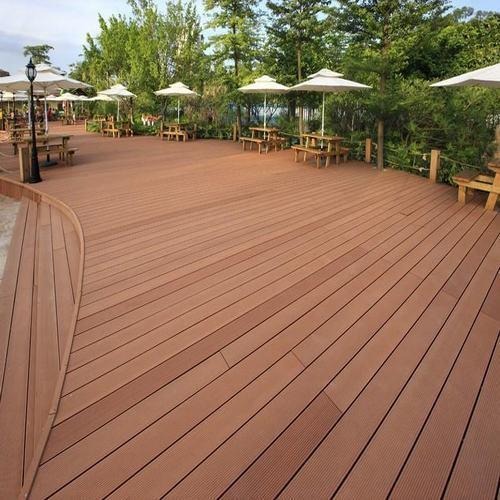
Choosing the right flooring for your home is a long-term decision, and one of the most important factors homeowners consider today is water resistance. With busy lifestyles, kids, pets, and changing weather conditions, spills and moisture exposure have become unavoidable. This is where WPC flooring has emerged as a popular and practical solution. But a common and valid question remains: Is WPC flooring really waterproof?
In this detailed guide, we’ll explain what WPC flooring is, how waterproof it actually is, where it works best, where it doesn’t, and what you should know before making a purchase. By the end of this blog, you’ll have a clear idea whether WPC flooring is the right fit for your home.
What Is WPC Flooring? Understanding the Basics
WPC stands for Wood Plastic Composite. It is a modern flooring material made by combining natural wood fibers with plastic polymers and stabilizing agents. This unique structure gives WPC flooring the natural appearance of wood while offering superior durability and moisture resistance compared to traditional wooden floors.
WPC flooring usually consists of multiple layers: a protective wear layer on top, a decorative layer that gives it a wood or stone look, a rigid waterproof core, and a backing layer for stability. This layered construction plays a major role in its performance against water.
Is WPC Flooring Waterproof? The Honest Answer
WPC Flooring Is Highly Water-Resistant
Yes, WPC flooring is highly water-resistant, which makes it suitable for most residential spaces. The core of WPC boards is made from waterproof materials, meaning it does not absorb water the way hardwood or laminate flooring does. Everyday situations such as water spills, wet shoes, or accidental splashes will not damage the floor if cleaned in time.
This feature makes WPC flooring an excellent choice for homes where moisture exposure is common.
Waterproof Doesn’t Mean Damage-Proof Forever
However, it’s important to understand that “waterproof” does not mean indestructible. While WPC flooring can handle moisture very well, prolonged exposure to standing water can still cause problems. Water can seep into seams, edges, or poorly installed joints if left unattended for long periods.
So, WPC flooring is waterproof for daily use, but it still requires proper care and correct installation to maintain its performance.
Best Areas to Install WPC Flooring
Thanks to its water-resistant nature and durability, WPC flooring works well in many parts of the home.
Living Rooms and Bedrooms
WPC flooring offers a warm, wooden look that enhances the aesthetics of living rooms and bedrooms. It is comfortable underfoot, resistant to minor spills, and durable enough to handle daily foot traffic.
Kitchens
Kitchens are prone to spills, splashes, and humidity. WPC flooring performs exceptionally well here as it doesn’t swell or warp like traditional wood. As long as spills are cleaned promptly, it maintains its shape and finish.
Bathrooms (With Proper Installation)
WPC flooring can be installed in bathrooms, provided that proper waterproof underlay and edge sealing are used. It works best in dry zones such as vanity areas rather than directly inside shower spaces.
Entryways and Balconies
Entryways often experience moisture from shoes, especially during monsoons. WPC flooring handles this exposure well and is also suitable for covered balconies with minimal direct water contact.
Where WPC Flooring May Not Be Ideal
Despite its strengths, WPC flooring is not suitable for every space.
- Wet rooms and shower floors: These areas experience constant water exposure, which can eventually penetrate joints.
- Flood-prone basements: If your basement is susceptible to water leakage or flooding, tiles or fully waterproof flooring options are safer.
Understanding these limitations helps prevent long-term issues and ensures better flooring performance.
How to Improve WPC Flooring’s Water Resistance
To get the best results from WPC flooring, homeowners should follow a few essential practices.
First, using a high-quality waterproof underlay adds an extra moisture barrier and improves comfort. Second, sealing the edges and expansion gaps, especially near doors and wet areas, prevents water from entering beneath the flooring. Third, regular maintenance and immediate cleanup of spills help extend the life of the floor.
Simple habits like placing doormats at entrances and avoiding excessive wet mopping can make a significant difference.
WPC Flooring vs Other Flooring Options
When comparing flooring choices, WPC stands out for its balanced performance.
Hardwood flooring looks premium but reacts poorly to moisture and requires high maintenance. Laminate flooring offers limited water resistance but can swell when exposed to water. Ceramic tiles are fully waterproof but feel cold and hard underfoot. WPC flooring offers the appearance of wood with much better water resistance and comfort, making it a practical middle ground.
Final Thoughts: Should You Buy WPC Flooring?
If you’re looking for a flooring solution that combines style, durability, and strong water resistance, WPC flooring is a smart investment. It handles everyday moisture challenges better than most traditional flooring options and fits well in modern homes.
That said, it’s important to remember that proper installation, quality materials, and regular care play a crucial role in performance. WPC flooring Abu Dhabi is not meant for areas with continuous water exposure, but for most residential spaces, it delivers excellent value.
By understanding its strengths and limitations before buying, you can confidently choose WPC flooring that enhances both the beauty and functionality of your home.