

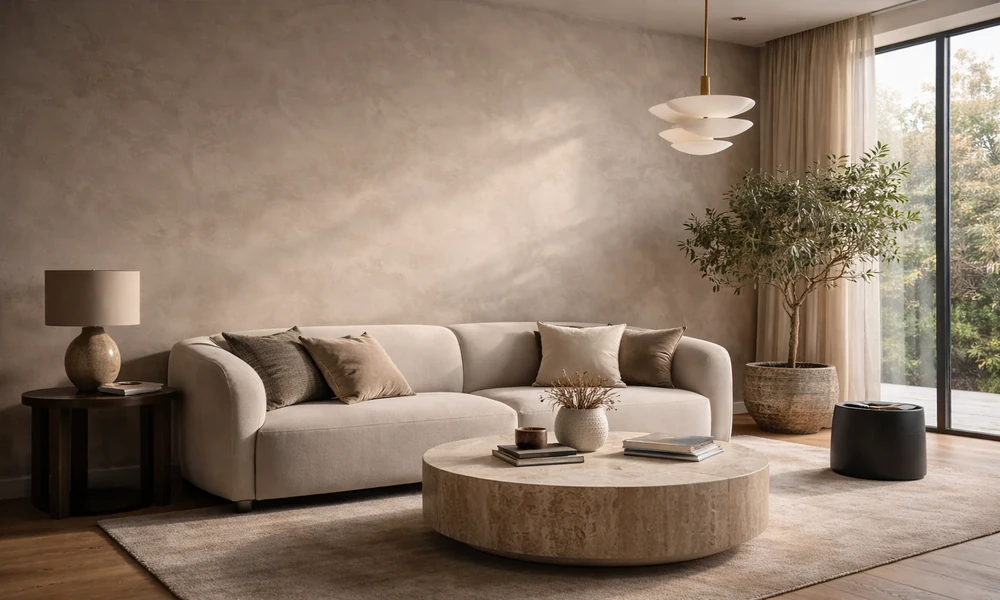
Decorative wall systems have become an increasingly practical way to shape modern interiors while adding texture, depth and visual structure. Instead of treating a wall as a passive background, designers can use decorative surfaces to create a stronger relationship between architecture, furniture and lighting. From residential renovations to commercial interiors, carefully selected wall systems can provide both aesthetic and functional value.
One reason decorative wall systems are gaining attention is their ability to transform an ordinary room without requiring a complete structural renovation. Traditional interior improvements often involve painting, plastering or replacing large sections of a wall. Panel-based systems can offer a more controlled alternative. They can introduce repeated patterns, three-dimensional surfaces or natural-looking textures while leaving the underlying structure largely unchanged.
Modern interiors increasingly rely on contrast. Smooth walls can be combined with textured panels, while natural materials can be placed beside painted surfaces. This approach creates visual hierarchy and prevents large spaces from appearing flat. Decorative wall systems are particularly effective in this context because their surface geometry interacts with natural and artificial light.
Fluted, ribbed and slatted surfaces are among the most recognizable examples. Their repeated vertical lines can make a ceiling appear higher and can visually elongate narrow walls. Depending on the depth and spacing of the profile, the same basic concept can produce very different results. Fine grooves may create a subtle contemporary effect, whereas deeper profiles can become a dominant architectural feature.
The choice of material is equally important. MDF is widely used because it can be machined into precise profiles and finished in different colours, veneers or coatings. Veneered panels can bring the appearance of timber into an interior, while painted MDF offers greater freedom when matching an existing colour scheme. In projects where fire performance is important, specially manufactured fire-rated boards can also be considered.
Another advantage is consistency. Factory-produced panels are manufactured to defined dimensions, allowing designers and installers to create repeatable patterns. This is especially valuable on larger walls, where small inaccuracies can become visually obvious. Consistent spacing between panels helps maintain the intended rhythm of the design.
Lighting should be considered before installation rather than after it. Directional lighting can emphasize grooves and shadows, making a textured surface considerably more dramatic. Wall washing can reveal subtle variations across the panel, while concealed LED lighting can create a softer architectural effect. The interaction between light and surface texture is closely related to the principle of chiaroscuro, where variations between light and shadow contribute strongly to visual perception.
Decorative wall systems can also help define zones within open-plan interiors. A textured feature wall behind a dining table can visually distinguish the dining area from a living space without using physical partitions. Similarly, panels behind a reception desk can establish a clear focal point in a commercial environment.
Installation planning remains critical. Walls are rarely perfectly square, and dimensions may differ from the assumptions made during the design stage. Before ordering materials, installers should check wall dimensions, electrical sockets, switches, skirting boards and other architectural details. Accurate measurements reduce the amount of cutting required and help avoid unnecessary waste.
A practical design should also account for access and maintenance. Areas exposed to frequent contact may require more durable finishes, while surfaces in kitchens or commercial spaces may need additional consideration regarding cleaning. The best decorative solution is therefore not simply the most visually impressive one, but the one that matches the requirements of the room.
Sustainability is another consideration for contemporary projects. Efficient use of sheet materials can reduce waste during manufacturing and installation. Careful planning of panel sizes and cutting patterns can be particularly valuable when working with expensive veneers or specialised boards.
Ultimately, decorative wall systems provide a flexible design language for contemporary interiors. They can introduce rhythm, texture and depth without overwhelming a space, and they can be adapted to different architectural styles. With the right material, profile, lighting and installation strategy, a decorative wall can become an integral part of the architecture rather than simply an added decorative element.