

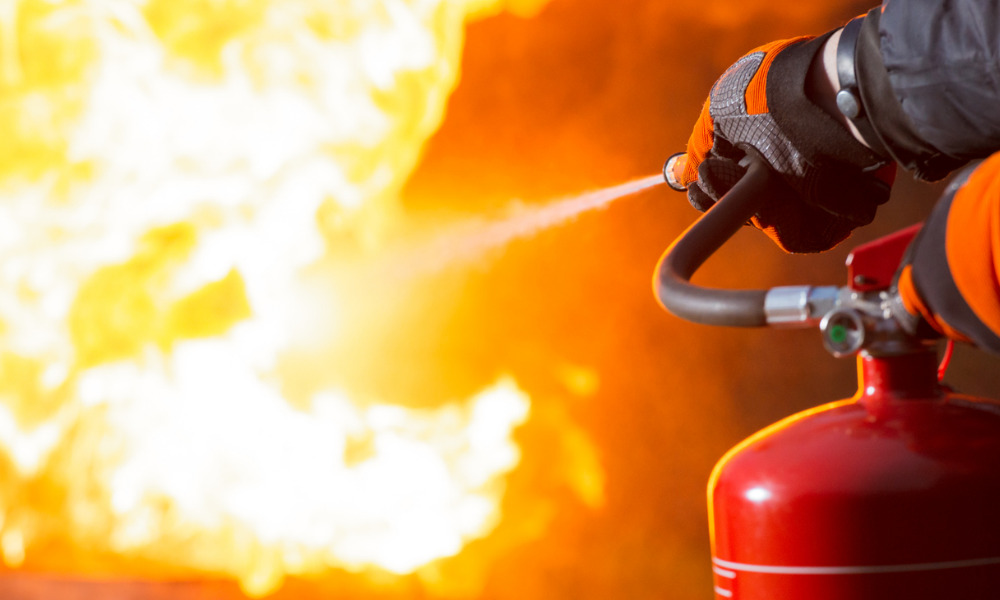
Fire hazards can develop quickly in environments where heat, electrical equipment, flammable materials, or construction activities are present. In these settings, relying only on occasional inspections may leave dangerous conditions unnoticed. Continuous fire monitoring provides an additional layer of protection by keeping trained personnel alert to potential hazards throughout the required monitoring period.
For businesses operating in high-risk environments, having trained Fire Watch Guards on site can provide an important layer of protection when fire hazards require closer attention. These professionals maintain a consistent presence, inspect vulnerable areas, monitor ongoing work, and stay prepared to report unsafe conditions or signs of fire. Their continuous observation can help reduce response times and support safer operations, particularly when standard fire protection systems are unavailable or when activities such as hot work increase the potential for ignition.
What Makes an Environment High Risk?
Certain workplaces and properties have a greater possibility of experiencing fire-related incidents because of their activities, equipment, or materials. Construction sites, industrial facilities, warehouses, commercial buildings, and properties undergoing maintenance may require increased attention to fire safety.
Common risk factors include:
- Flammable or combustible materials
- Electrical equipment and temporary wiring
- Welding, cutting, and other hot work
- Fuel, chemicals, or other ignition-sensitive substances
- Damaged or temporarily unavailable fire protection systems
- Machinery that produces significant heat
Recognizing these risks helps businesses determine when additional monitoring may be necessary.
Early Detection of Fire Hazards
One of the greatest benefits of continuous monitoring is early detection. Fire watch personnel can regularly inspect designated areas and look for smoke, unusual heat, sparks, burning odors, or other warning signs.
Identifying these conditions early can allow responsible personnel to respond before a minor problem becomes a major emergency. Early detection can also support faster communication with occupants, supervisors, and emergency responders when necessary.
Protection During System Outages
Fire alarms and sprinkler systems are important components of a property’s fire protection strategy. However, maintenance, repairs, construction, or unexpected failures can temporarily affect their availability.
During such periods, fire watch personnel can provide additional observation until the affected systems are restored. This helps maintain attention to fire safety while normal protection measures are being repaired or serviced.
Monitoring Hot Work Activities
Hot work is another reason continuous monitoring can be valuable. Welding, grinding, cutting, and similar activities can produce sparks or intense heat capable of igniting nearby materials.
Fire watch personnel can monitor work areas during these activities and remain alert for signs of ignition. Their presence can help ensure that potential fire hazards are identified quickly and that appropriate emergency procedures are followed.
Maintaining Clear Communication
Continuous fire monitoring is not limited to watching for flames. Effective personnel also need to communicate important information when hazards are discovered.
They may report unsafe conditions to supervisors, notify building occupants according to established procedures, and contact emergency services when required. Clear communication can reduce confusion and support a more organized response during an emergency.
Supporting Overall Fire Safety
Continuous monitoring can also encourage better safety practices. Fire watch personnel may identify blocked exits, improperly stored combustible materials, damaged equipment, or other conditions that could increase fire risk. Documenting these observations can help businesses address recurring safety concerns.