

As temperatures fall across Hamilton, mice begin seeking indoor spaces that offer reliable food, shelter and warmth. Residential properties can provide all three, particularly when small openings allow rodents to move inside unnoticed. Understanding why mice enter homes and recognising the signs of activity can help homeowners respond before the problem becomes more difficult to manage.
Hamilton has a varied housing landscape, including older properties where foundations, utility openings, vents and soffits may have developed gaps over time. In these situations, Mice Removal in Hamilton should address both the rodents inside the property and the openings that allow them to enter. Garages and basements also deserve attention because they can offer sheltered spaces with limited disturbance.
Why Mice Move Indoors During Colder Weather
Outdoor temperatures, reduced food availability and changing weather conditions encourage mice to search for protected environments. Homes provide warmth and convenient nesting locations, while kitchens, storage rooms and garages may offer accessible food. Mice do not need a large opening to gain entry, which makes even minor gaps around a building worth checking.
Common Entry Points Around Hamilton Homes
Older Hamilton housing may have worn foundation materials, deteriorating exterior finishes or spaces around pipes and cables. These small structural openings can create access between outdoor areas and interior wall cavities. Vents and soffits are also important inspection points, particularly where covers are damaged or connections have become loose.
Garages and basements can create additional opportunities for entry. Gaps beneath garage doors, openings around utility lines and cracks near foundation walls may allow mice to move indoors. Once inside, rodents can travel through concealed spaces before reaching areas where food and nesting materials are available.
Recognising Signs of Mouse Activity
Scratching noises inside walls, ceilings or floors may indicate mice moving through hidden spaces. These sounds are often easier to notice during quiet evening hours. Droppings in cupboards, along basement walls or near stored items provide another indication that rodents have been active.
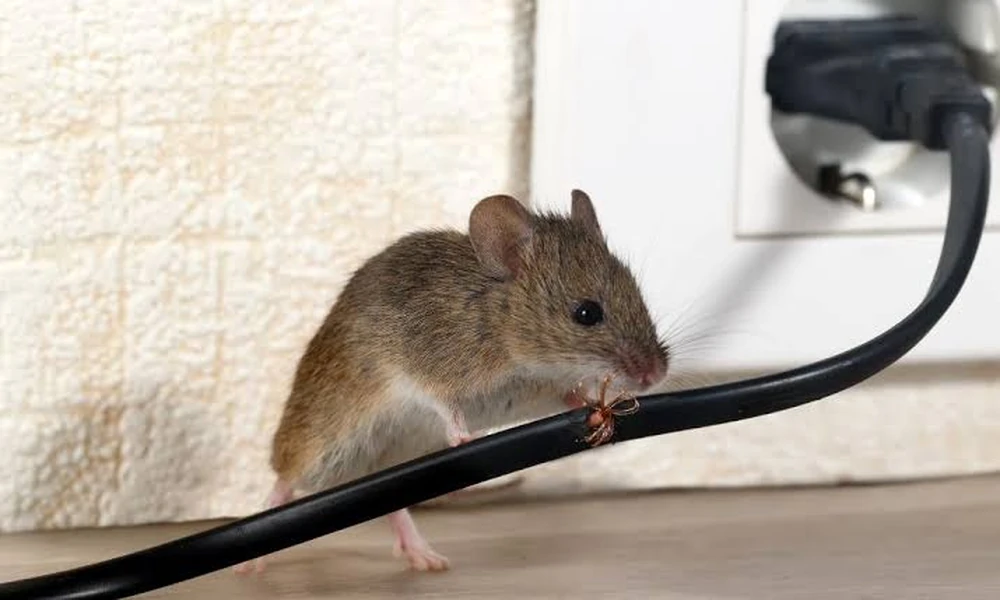
Chewed food packaging can reveal access to kitchen supplies, while damaged wires may present a more serious concern because exposed electrical components can create fire risks. Shredded paper, fabric and insulation may also indicate mouse nesting areas. Checking behind appliances, inside storage spaces and around basement corners can help identify these signs.
Removing Food Sources Around the Property
Food availability can make a home more attractive to mice. Unsecured garbage, spilled bird seed and accessible pet food may provide regular sources of nourishment. Keeping rubbish containers covered, storing bird seed in sealed containers and avoiding leaving pet food out overnight can reduce these opportunities.
Inspection and Humane Rodent Removal
A thorough property inspection helps identify where mice are active and how they are entering. This includes checking foundations, utility openings, vents, soffits, garages and basement spaces. Humane rodent removal methods can then be selected according to the property’s conditions and the extent of the activity.
Exclusion and Sealing for Long-Term Protection
Removing mice without addressing entry points may leave a property vulnerable to another infestation. Exclusion involves sealing accessible gaps with suitable rodent-resistant materials and repairing damaged openings. This step is an essential part of long-term mouse control.
Knowing When to Call a Professional
Homeowners should seek professional assistance when scratching noises continue, droppings repeatedly appear, wires show signs of gnawing, or the entry point remains unclear. Early inspection, removal and exclusion can help protect Hamilton homes as colder weather encourages rodents to seek indoor shelter.