

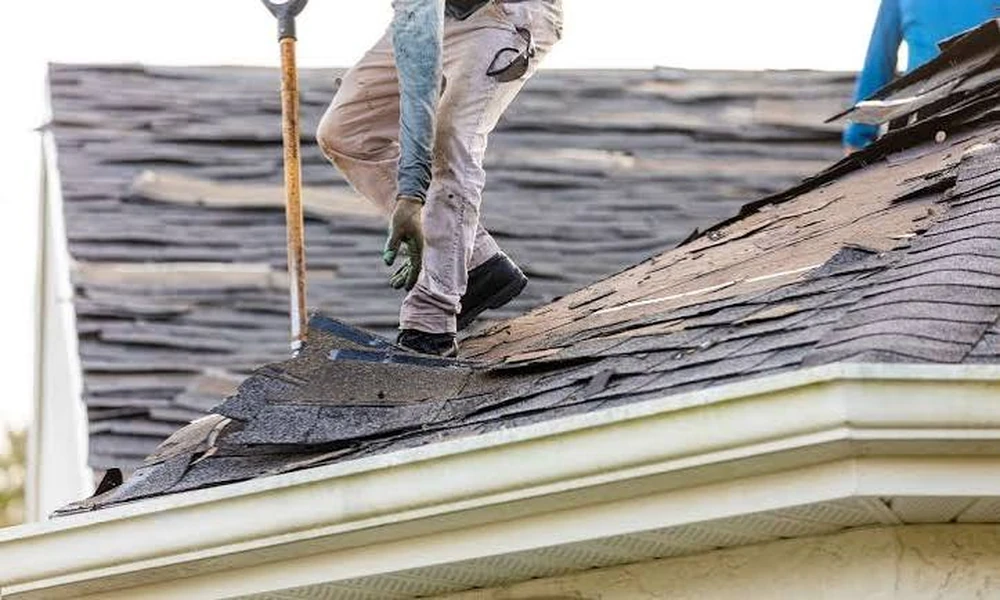
When wind peels shingles off a roof at two in the morning, nobody is thinking about underlayment or insurance wording. The goal is much simpler. Keep water out of the attic, off the ceiling drywall and away from the wiring until daylight comes. That first fix and the real repair that follows are two very different jobs, and a lot of storm damage grows worse simply because homeowners treat one as if it were the other.
Along the upper Gulf Coast, the gap between those two jobs matters more than in most places. After Hurricane Beryl swept through in July 2024, blue tarps sat on rooftops across the Houston area for weeks, and plenty of them were still snapping in the wind long after they should have come down. Thick humidity, salt air drifting off Galveston Bay and sudden afternoon squalls all shorten the useful life of anything meant to be temporary.
Homeowners in the Clear Lake area who need help on both ends of that process can turn to Cornerstone Roofing & Development LLC, a Webster contractor that takes emergency calls at any hour and later comes back for full roof, gutter and siding repair once the weather has settled. Since its inspections and estimates cost nothing, it is easier to find out how far the damage actually reaches before committing to anything.
What a Stopgap Is Really Built to Do
An emergency fix has exactly one job, which is to stop new water from getting in. It is not meant to restore the roof or survive the next hurricane season. Judged by that narrow purpose, a good stopgap can be excellent work.
A properly installed tarp, for instance, follows a fairly specific routine.
- The crew removes loose debris and broken branches so nothing punctures the plastic from underneath.
- The tarp is sized to run well past the damaged area and, where possible, up and over the ridge so water sheds downhill instead of slipping beneath it.
- Wood battens are wrapped in the tarp edges and fastened through to the decking, which spreads the load far better than nails driven straight through plastic.
- Inside the attic, someone checks for wet insulation and active drips, because a dry roof surface can still hide a soaked layer below.
Skip any of those steps and the cover becomes a sail. Wind gets under a loose edge, and every gust tears another fastener loose and scuffs shingles that were never damaged in the first place.
The Thirty Day Clock Most People Ignore
Federal disaster programs are unusually clear on this point. The reinforced plastic used in Operation Blue Roof, the Army Corps of Engineers program that covers storm damaged homes after major disasters, is designed to last about thirty days. FEMA’s guidance tells homeowners to arrange permanent repairs within that window whenever they can.
Private tarps are no tougher. On the Gulf Coast, ultraviolet light breaks down polyethylene quickly, and the steady onshore breeze works every grommet back and forth. Meanwhile, moisture trapped beneath the cover keeps the plywood decking damp. Wood that stays wet for more than a day or two is a natural place for mold to start, and roof decking that softens can no longer hold new fasteners properly. Waiting three months for a permanent fix often means the job that finally gets done is bigger than the one the storm actually caused.
Every Emergency Method Has a Ceiling
Not every stopgap is a tarp, and each option reaches its limit in a different place.
Roofing cement and sealant work for small gaps around a vent boot or a single lifted shingle tab. They fail when they are smeared over a larger tear, because sealant cracks as the roof heats and cools each day.
Peel and stick underlayment patches bond tightly to clean, dry decking and can ride out several weeks of rain. They are much harder to apply in a downpour, and they are hard to remove cleanly once the permanent work begins.
Plywood over a hole is the right answer when a limb punches straight through. It keeps out animals as well as rain, though it still needs a waterproof layer over it.
Interior containment, meaning buckets, plastic sheeting and a small hole poked in a bulging ceiling to drain trapped water, protects the rooms below.
What Lasting Repair Actually Replaces
The permanent fix starts where the stopgap stops. Wet or delaminated decking gets cut out and replaced rather than left to dry out under fresh shingles. Underlayment is renewed across the damaged section, and flashing around chimneys, walls and valleys is checked, because wind often bends metal without obviously tearing it.
Matching the existing shingles is its own challenge. Asphalt shingles fade, and some product lines get discontinued, so a repair on a ten year old roof may never look quite seamless. Choosing wind rated shingles and installing them with the manufacturer’s high wind nailing pattern is worth doing even on a partial repair, especially this close to the coast.
Good contractors also look past the roof itself. Gutters that pulled away from the fascia, fascia boards that soaked up water, and siding that let rain behind it all belong to the same storm. In coastal counties covered by the state windstorm pool, certain repairs also need an inspection and certification before an insurer will keep writing coverage, which is one more reason not to stretch a temporary fix past its limits.
Repair, Restoration or Starting Over
Age, the share of surface affected and the condition of the decking all point toward one answer or another. A five year old roof with one torn section is a clear repair. A roof near the end of its life, with granule loss across several slopes and leaks in more than one spot, usually costs more to keep patching than to replace outright. Restoration falls in between, fixing damaged areas while extending the life of sound sections with new flashing, sealant work and targeted shingle replacement.
The Paperwork That Connects Both Fixes
Most homeowner policies expect you to take reasonable steps to prevent further damage once you notice it. That makes the emergency fix part of the claim rather than a separate expense, so photograph everything before the tarp goes on, keep every receipt and save any damaged materials the adjuster may want to see.
Then comes the permanent repair, and with it the deductible. Under Texas law a contractor cannot waive, rebate or absorb that deductible, and a roofer doing the work cannot also act as your public adjuster. The Texas Department of Insurance lays out those rules plainly, and any offer that sounds like a way around them is a good reason to keep looking.
When the Sky Finally Clears
Storm damage is best handled in two stages. The stopgap buys time, and the lasting repair spends that time well. Treat a tarp as a promise to come back soon rather than a solution, and the roof that comes out the other side of hurricane season will usually be stronger than the one that went into it.