

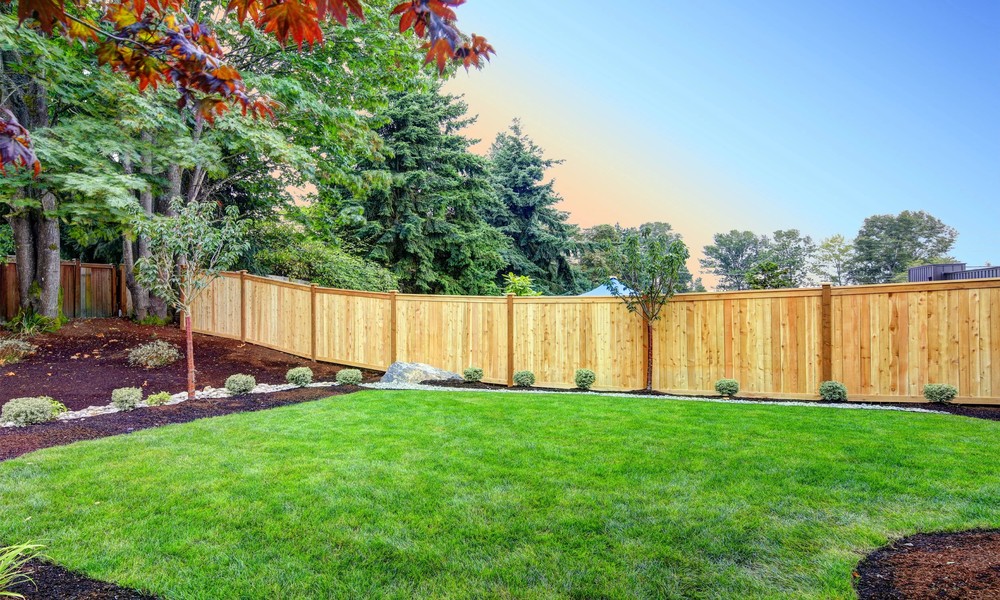
Most homeowners assume fence problems come down to panels. They focus on timber quality, style, or height. From decades working as a fencing contractor across York, I can say that is rarely where the real issue lies. The detail that prevents most long term fence problems is not visible once the job is finished. It sits below ground, quietly doing its job year after year. Many people only start searching for fencing companies near me when posts begin to move or panels lean, but by that stage the damage is already done. A lot of homeowners begin by looking through York Fencing because they want to understand why some fences stay straight for years while others fail early.
The answer is usually simple. Proper groundwork, and more specifically, how the base of the post is prepared.
Why the base of the post matters more than anything above it
One thing I see often on local jobs is a fence that looks fine at a glance but feels unstable when tested.
Panels are intact. Rails are holding. But the post shifts slightly under pressure.
That movement almost always starts at the base. If the ground beneath a post is weak or poorly prepared, the entire structure is compromised.
Everything above ground relies on what is below it.
The gravel layer most homeowners never see
The small detail that makes a major difference is the use of a proper drainage layer at the bottom of the post hole.
I often add gravel before setting the post. This allows water to drain away from the base rather than sitting around it.
Without this layer, water collects. Soil softens. Timber stays damp. Over time, posts lose stability.
It is a simple step, but it changes how a fence performs over the long term.
Why clay soil makes this detail critical in York
York’s clay soil does not drain easily. It holds water and remains saturated longer than other soil types.
When posts are set directly into clay without proper drainage, moisture builds up around the base.
I usually install posts at around 600mm to 750mm depth to reach more stable ground, but depth alone is not enough. If water cannot escape, the surrounding soil still weakens.
This is why groundwork matters more than most people realise.
How poor drainage leads to gradual failure
Fence failure rarely happens suddenly. It builds over time.
Water sits around the base of the post. Soil softens. The post begins to move slightly.
That small movement affects rails. Panels loosen. Gaps appear.
By the time homeowners notice, the process has been happening for years.
Why concrete alone does not solve the problem
Concrete is often seen as the solution to everything.
It helps, but it can also make things worse if used incorrectly.
If concrete is poured without a drainage layer, it can trap water against the post. The surrounding soil still softens, and the post can move within the concrete.
The key is not just using concrete, but preparing the ground properly before it is added.
The difference between firm and unstable ground
When I step onto a job, I can usually tell how a fence contractor will perform by how the ground feels.
Firm, well-compacted soil supports posts. Loose or soft soil does not.
Backfilled soil that has not been compacted properly creates gaps. Water collects in those gaps. Movement begins.
Homeowners rarely notice this during installation, but it has a long-term impact.
Why shallow posts fail regardless of materials
Even the best materials cannot compensate for shallow installation.
A post set too close to the surface relies on unstable topsoil. That soil is affected most by weather changes.
I see many fences where posts are simply not deep enough to resist movement.
Homeowners searching for fencing contractors near me often discover that the issue is not the panel, but the depth of the post holding it.
The role of seasonal movement
Seasonal changes affect every fence.
In winter, soil expands with moisture. In summer, it contracts as it dries.
This movement places stress on posts. If the base is weak, the post shifts more easily.
Proper groundwork reduces the impact of these seasonal changes.
Why repeated repairs often ignore the real issue
Repairs usually focus on visible problems.
A loose panel is replaced. A leaning section is reset. Fixings are tightened.
If the base of the post remains weak, the problem returns.
Homeowners often search for fence repair near me multiple times for the same section without realising the cause has not been addressed.
Those reviewing fence repair services in York often find that lasting repairs depend on fixing what is below ground, not just what is visible.
Timber versus concrete posts at ground level
Timber posts are vulnerable at ground level because they absorb moisture.
Over time, this leads to softening and eventual rot.
Concrete posts remove this specific issue, but they still rely on stable ground. If drainage is poor, even concrete posts can shift.
Material choice helps, but it does not replace proper installation.
The impact of poor groundwork on fence alignment
Alignment issues often start below ground.
When one post moves slightly, the entire line is affected. Panels adjust. The top line dips or rises.
These changes may seem minor, but they affect both appearance and performance.
From experience, alignment problems are usually a sign of movement at the base.
Why this detail is often overlooked
Groundwork is not visible once the fence is complete.
Homeowners see panels and posts. They do not see what was done below.
This makes it easy for poor installation practices to go unnoticed until problems appear later.
Understanding this detail helps homeowners make better decisions.
How proper installation prevents future problems
Good installation focuses on preparation.
Correct depth. Proper drainage. Solid compaction.
These steps take time, but they prevent movement, reduce moisture issues, and extend lifespan.
Homeowners exploring garden fencing installation in York often benefit from focusing on these fundamentals rather than just appearance.
Why this small detail makes such a big difference
From decades working across York, it is clear that the difference between a fence that lasts five years and one that lasts fifteen often comes down to this single detail.
A properly prepared base allows water to drain, keeps soil firm, and supports the structure over time.
It is not visible. It is not decorative. But it is what keeps a fence standing straight long after installation.
Ignoring it leads to movement, repairs, and early replacement. Getting it right means the fence simply does its job without drawing attention to itself.
Justice Fence Co
1276 E Columbia Ave, Battle Creek, MI 49014, United States