

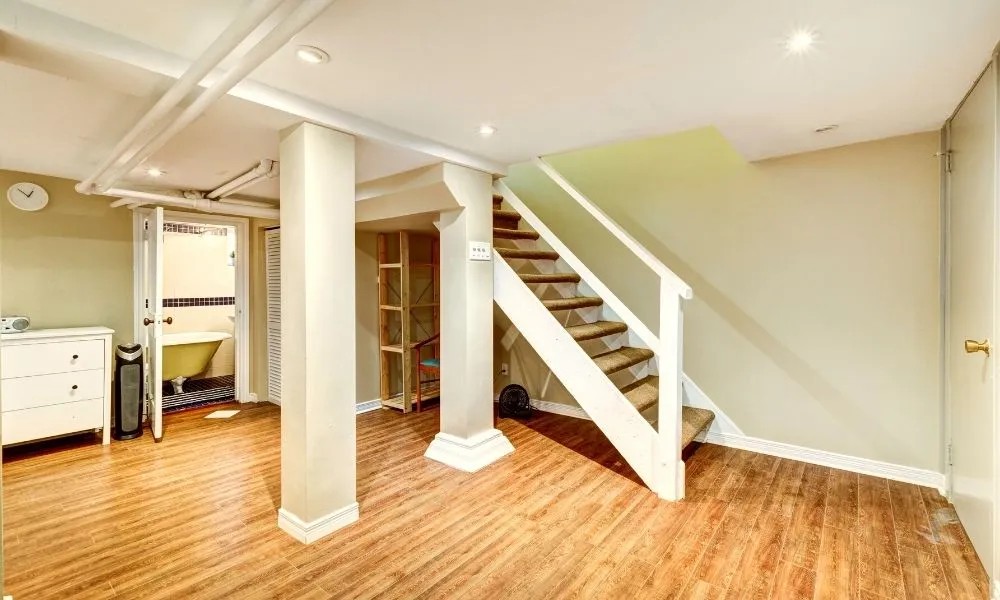
In many older residential areas, homeowners are often restricted by foundations that were never intended for modern living. These “crawlspaces” or low-ceiling cellars, often measuring only five or six feet in height, serve little purpose beyond housing a furnace or providing cramped storage for seasonal items. However, the high cost of real estate in 2026 has made “building down” a much more attractive and viable option than moving to a larger property. Through the specialized process of basement underpinning, these dark and damp enclosures can be transformed into magnificent, full-height living spaces. By lowering the floor and reinforcing the existing structure, a homeowner can effectively add an entire new level to their house without altering its external footprint.
The Limitations of a Low-Ceiling Basement
A basement with restricted height is often the most underutilized area of a home, frequently suffering from poor air quality and a lack of natural light. When a ceiling is only six feet high, it is impossible to install standard ductwork, recessed lighting, or proper flooring without further reducing the available headspace. These architectural constraints essentially “trap” a significant portion of a property’s potential square footage, leaving it as an unfinished and unattractive utility zone. Transitioning away from a crawlspace requires a structural shift that only a basement underpinning can provide. Modern living standards in 2026 now demand “living-room grade” heights to accommodate the technology and comfort expected in a premium home environment.
Furthermore, these cramped spaces often hide underlying issues like cracked slabs or inadequate drainage that can affect the health of the entire house. Low-clearance basements are notorious for trapping moisture, which leads to persistent musty odours and the potential for mould growth behind old walls. By choosing to upgrade the space, a homeowner is not just seeking a higher ceiling, but a healthier foundation as well. Removing the old, thin concrete floor allows for a complete assessment of the soil conditions and the installation of modern moisture barriers. This transformation turns a structural liability into a high-functioning asset that enhances the overall atmosphere of the home.
The Excavation Process: Digging Deep Safely
The journey toward a nine-foot ceiling begins with a highly controlled excavation of the earth beneath the existing house. Unlike a standard renovation, basement underpinning involves removing the old concrete floor and digging out several feet of soil to reach the desired depth. This must be done with extreme care to ensure that the weight of the house remains perfectly supported throughout the transition. Professional teams use a series of temporary braces and sequential digging patterns to maintain the building’s equilibrium. Each cubic yard of earth is carefully removed, revealing the space that will eventually become a premium living area.
Precision is the hallmark of this stage, as the new depth must be perfectly levelled to receive the reinforced concrete. The basement underpinning process allows for a customized depth that is not limited by the original foundation’s design or the height of the backyard. Engineers calculate the exact amount of soil removal needed to account for new sub-flooring, insulation, and radiant heating pipes. Once the excavation reaches the target depth, the original footings are extended downward to rest on a new, deeper base. This ensures that the house is not just “deeper,” but actually more structurally sound than it was the day it was built.
Enhancing Structural and Mechanical Integrity
One of the greatest technical advantages of a deep basement is the ability to hide modern mechanical systems within the new ceiling height. When a crawlspace is converted through basement underpinning, there is finally enough room to run high-efficiency HVAC ducts and plumbing lines between the joists. This allows for a clean, flat ceiling finish that mimics the look and feel of the main floor of the house. In 2026, homeowners often take this opportunity to install “smart” climate control systems that require more vertical clearance than an old cellar could ever provide. The result is a basement that feels like an intentional part of the home’s design rather than an afterthought.
Additionally, lowering the floor provides the perfect window of opportunity to upgrade the home’s structural support beams and teleposts. Many older homes rely on aging wood or rusted steel posts that may be slightly undersized for the weight they carry. During the basement underpinning project, these can be replaced with modern, heavy-duty steel columns that are anchored into the new, thicker concrete slab. This reinforcement can help level out “dips” in the floors above, effectively straightening the entire house from the bottom up. By the time the concrete is poured, the home is better equipped to handle the stresses of another century of use.
The Financial and Lifestyle ROI
The financial impact of turning a crawlspace into a nine-foot basement is one of the most significant returns on investment available in the 2026 housing market. Appraisers value “finished” square footage with high ceilings far more than they value unfinished storage areas or low-clearance basements. In many cases, basement underpinning can double the livable area of a home, effectively lowering the “cost per square foot” of the entire property. This added value is particularly high in urban centers where expanding the home’s footprint is legally or physically impossible due to lot sizes. A deep basement with a separate entrance can even serve as a legal rental suite, providing a steady stream of income.
From a lifestyle perspective, the benefits of “gaining verticality” are life-changing for many families. A nine-foot ceiling allows for the installation of large “Egress” windows that flood the space with natural light, making it a perfect spot for a home gym, a high-end cinema, or a professional office. There is no longer a sense of being “underground” when the proportions of the room match those of a modern luxury condo. This new space provides the flexibility needed for multi-generational living or a dedicated area for hobbies that require significant room. Investing in basement underpinning is truly an investment in the daily quality of life for everyone residing in the home.
Lifting the Standard of the Home
Ultimately, the transformation of a dark, cramped crawlspace into a bright and spacious nine-foot basement is one of the most rewarding renovations a homeowner can undertake. It represents a shift in thinking from “making do” with a limited space to actively creating the environment a family needs to thrive. Through the disciplined application of basement underpinning, the structural limitations of the past are swept away to make room for a modern, valuable, and safe interior. This process provides a permanent solution to space constraints while simultaneously strengthening the foundation for decades to come. There is no longer a reason to settle for a basement that feels like a dungeon when the potential for a world-class living space is right beneath your feet.