

Floors are one of the hardest-working surfaces in any home, but not every flooring type should be cleaned in the same way. Timber, tiles, carpet, vinyl and laminate all react differently to water, cleaning products and everyday wear. Using the wrong method can leave floors looking dull or, in some cases, cause long-term damage. This is one reason homeowners sometimes use a professional cleaning service, particularly when a property has several flooring types that each require a different approach.
Timber Floors Need Careful Moisture Control
Timber flooring can add warmth and character to a home, but it usually requires more care than many people realise.
One of the biggest mistakes is using too much water.
Wood can absorb moisture, particularly around joins, edges and damaged areas. Over time, excessive moisture may contribute to swelling, warping or changes in the floor’s finish.
For everyday cleaning, loose dust and dirt should generally be removed first using a vacuum with a suitable hard-floor attachment or a soft broom.
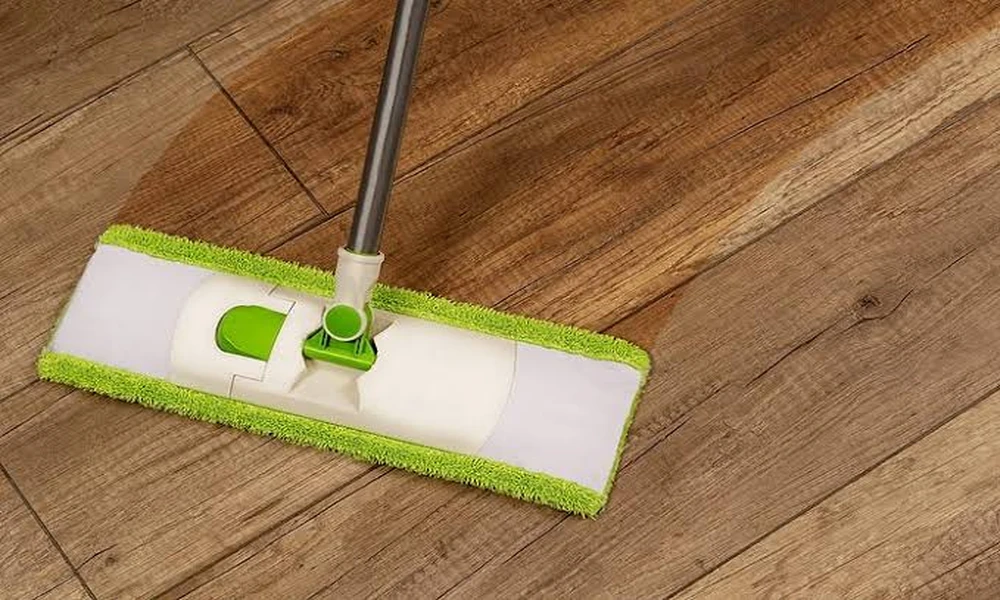
When mopping, the mop should be damp rather than soaking wet.
It is also important to avoid harsh cleaning products unless they are specifically suitable for the type of timber and finish being cleaned.
Small particles of dirt can act like sandpaper when people walk across the floor, so regular vacuuming can also help reduce scratching.
Tile Floors Are Durable but Grout Needs Attention
Tiles are often considered one of the easiest flooring surfaces to maintain.
They are commonly found in kitchens, bathrooms, laundries and entry areas because they can tolerate moisture better than many other flooring materials.
However, the tiles themselves are only part of the cleaning challenge.
Grout lines are usually more porous and can collect dirt, soap residue and moisture over time.
A tiled floor may therefore look reasonably clean while the grout gradually becomes darker.
Regular vacuuming or sweeping helps remove loose particles before mopping.
For deeper cleaning, grout may need separate attention rather than simply running a mop across the entire floor.
In bathrooms, good ventilation is also important because constantly damp grout can become more difficult to maintain.
Carpet Holds Dirt Below the Surface
Carpet behaves very differently from hard flooring.
Dust, hair, crumbs and other particles can settle between fibres where they may not be immediately visible.
This means a carpet can appear clean while still holding a significant amount of debris.
Regular vacuuming is one of the most important parts of carpet maintenance.
High-traffic areas such as hallways, living rooms and entrances may need more frequent attention because dirt is repeatedly pressed deeper into the fibres.
Vacuuming slowly can also be more effective than moving quickly across the room.
Stains should usually be dealt with as soon as possible, but aggressive rubbing can sometimes spread a stain or damage carpet fibres.
Periodic carpet steam cleaning or another appropriate deep-cleaning method may also be useful depending on the carpet type, household activity and manufacturer recommendations.
Laminate Flooring Should Not Be Over-Wet
Laminate flooring is popular because it can offer the appearance of timber while being relatively easy to maintain.
However, it still needs careful cleaning.
One common problem is allowing too much water to remain on the floor.
Although the surface may resist small spills, moisture can sometimes enter around the joins and affect the material underneath.
Vacuuming or sweeping first is usually the best approach, followed by light damp mopping.
Spills should be wiped up rather than left sitting on the surface.
It is also worth avoiding abrasive tools or aggressive scrubbing, as these can affect the top layer of the laminate.
Vinyl Flooring Is Practical but Still Needs the Right Products
Vinyl flooring is commonly used in busy household areas because it is durable and relatively low maintenance.
It can generally handle regular sweeping, vacuuming and damp mopping.
However, stronger is not always better when it comes to cleaning products.
Very harsh chemicals or abrasive cleaners may gradually affect the finish of some vinyl flooring.
Furniture can also leave marks or dents, so cleaning around heavy furniture requires some care.
Because vinyl is often used in kitchens, one of the main cleaning challenges is grease and food residue.
Regular cleaning prevents these substances from building up and creating a sticky surface that attracts even more dirt.
Natural Stone Needs Special Treatment
Natural stone flooring such as marble, limestone, slate or travertine can look impressive, but it often requires more specialised care.
Some stone surfaces can react badly to acidic cleaning products.
Products containing strong acids may mark or dull certain types of stone.
The safest cleaning approach depends on the exact material and whether the floor has been sealed.
Dust and grit should be removed regularly because small abrasive particles can scratch polished surfaces.
Spills can also need quick attention, particularly on more porous stone.
If you are unsure about a stone floor, checking the manufacturer’s or installer’s recommendations before using a new cleaning product is usually a sensible step.
Different Rooms Create Different Flooring Problems
The flooring material is not the only thing that determines how often it needs cleaning.
Location matters as well.
Kitchen floors often collect food crumbs, grease and cooking residue.
Bathroom floors are exposed to moisture, hair and soap residue.
Entryways receive dirt from shoes, while living rooms may collect pet hair and everyday household dust.
This means the same flooring type can require a different cleaning schedule depending on where it is installed.
For example, tiled flooring in a rarely used guest bathroom may need less frequent cleaning than identical tiles in a busy family kitchen.
Mixed Flooring Requires a More Systematic Approach
Many modern homes use several flooring types.
A home might have timber through the living areas, tiles in the bathrooms and carpet in the bedrooms.
Trying to clean every surface using the same equipment and products can lead to poor results.
A better approach is to clean each flooring type according to its needs.
Vacuum carpets thoroughly, remove dust from hard floors and then mop only the areas where moisture is appropriate.
Keeping separate mop heads or cleaning tools for bathrooms and general living areas can also help maintain hygiene.
Good Floor Care Is About Consistency
The most effective floor cleaning routine is usually not about using stronger chemicals or cleaning more aggressively.
It is about removing dirt regularly before it has time to build up.
Vacuuming, wiping spills quickly and using products suitable for the flooring material can make a significant difference over time.
Understanding what your floors are made from is the first step.
Once you know how each surface reacts to moisture, cleaning products and daily traffic, it becomes much easier to keep the entire home looking clean while also protecting the flooring for the long term.