

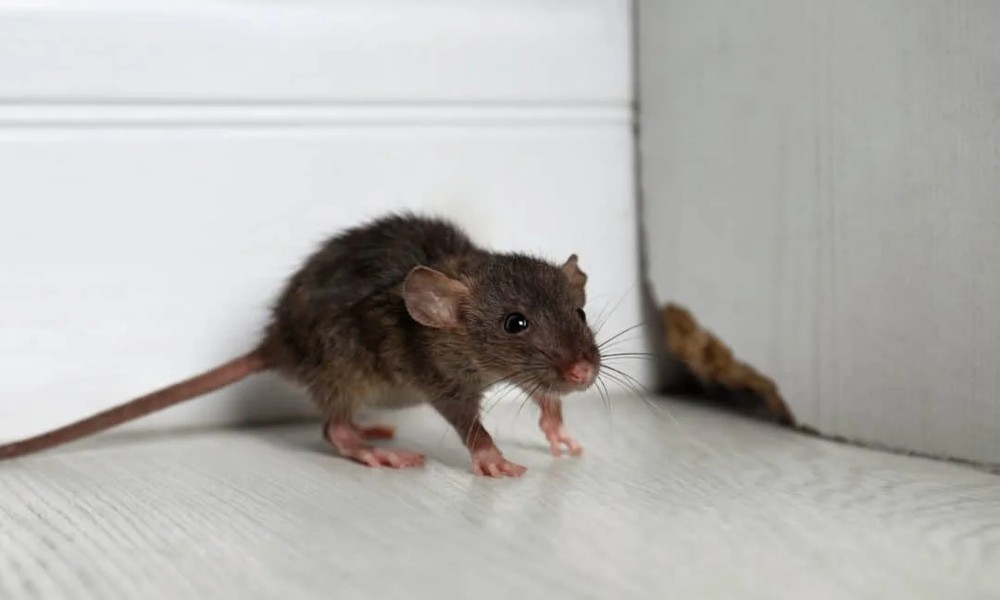
Rodent activity may seem minor at first. A scratching noise in the roof, a few droppings in the garage or a small chew mark on packaging might not appear urgent. Many property owners assume the problem is limited or that a few traps will be enough to deal with it.
However, rats and mice can cause significant damage when they are left untreated. These pests are active, destructive and often hidden from view. By the time the signs become obvious, rodents may have already damaged wiring, building materials, stored belongings and other important parts of the property.
Why Rodent Activity Should Not Be Ignored
Rats and mice are cautious pests that often move through hidden areas such as wall cavities, ceiling spaces, subfloors, cupboards and storage rooms. Because they are usually most active at night, property owners may not see them directly. Instead, they may only notice signs such as droppings, scratching sounds, gnaw marks or unpleasant odours.
Even small signs can point to a larger issue. Rodents can breed quickly when food, water and shelter are available. What starts as a minor problem can become a much bigger infestation if it is not addressed early. This is why timely Rodent Control can be important when activity is first noticed.
How Rodents Can Damage Property
Rodents have strong teeth that continue to grow throughout their lives, so they need to gnaw regularly. Unfortunately, this behaviour can cause damage to many parts of a home or business.
Electrical wiring is one of the most serious concerns. Rats and mice may chew through cable insulation, exposing wires and increasing the risk of electrical faults or fire hazards. Because wiring is often hidden behind walls or in roof spaces, the damage may not be discovered until a fault occurs.
Rodents can also chew timber, plasterboard, plastic pipes, insulation and stored items. In garages, sheds and storage rooms, they may damage boxes, furniture, documents, clothing and seasonal decorations. In kitchens and pantries, they can chew through food packaging and contaminate stored goods.
Why Delays Can Make Repairs More Expensive
Delaying action can allow rodent damage to spread. A small entry point may be enlarged, nesting areas may increase, and more parts of the property may become affected. The longer rodents remain inside, the greater the chance of contamination, structural damage and costly repairs.
Damaged wiring may require electrical repairs. Contaminated insulation may need removal and replacement. Chewed pipes, timber or wall linings can add further costs. In some cases, property owners may need several trades to repair the damage caused by an infestation.
Early Rodent Pest Control can help reduce these risks by addressing the problem before it becomes more widespread. Acting early is usually more practical and cost-effective than waiting until serious damage is visible.
Why Simple Traps May Not Solve the Full Problem
Traps may catch individual rodents, but they do not always solve the underlying issue. If entry points remain open, new rodents can continue to enter the property. If food sources, nesting areas or shelter are still available, the problem may return even after some rodents have been removed.
Rodents are also good at hiding in difficult-to-reach areas. Wall cavities, roof voids, subfloors and cluttered storage spaces can allow them to remain active without being seen. This means visible activity may only represent part of the infestation.
Professional Rodent Control focuses on more than simply removing the rodents that are easy to detect. It can involve identifying access points, locating nesting areas, assessing signs of damage and recommending steps to reduce the chance of ongoing activity.
The Value of Proper Rodent Management
Proper rodent management helps protect both the property and the people using it. It can reduce the risk of damage to wiring, pipes, insulation, timber and stored belongings. It can also help improve hygiene by addressing contamination from droppings, urine and nesting materials.
A detailed inspection can identify how rodents are getting inside and what conditions may be attracting them. This may include gaps around doors, vents, roofing, pipes, drains or utility entry points. Once these issues are identified, property owners can take practical steps to reduce future problems.
Good rodent management is especially important for properties that have repeated activity. Without a thorough approach, the same problem can continue returning.
Conclusion
Ignoring rodent activity can lead to costly property damage. Rats and mice may seem like a small nuisance at first, but they can chew wires, timber, pipes, insulation and stored items while remaining hidden from view. Delays can make both repairs and treatment more expensive, particularly when damage spreads through concealed areas.
Simple traps may provide short-term relief, but they do not always address the full cause of the problem. Proper Rodent Control gives property owners a more complete way to manage activity, reduce damage risks and protect the home or business from ongoing rodent problems.