

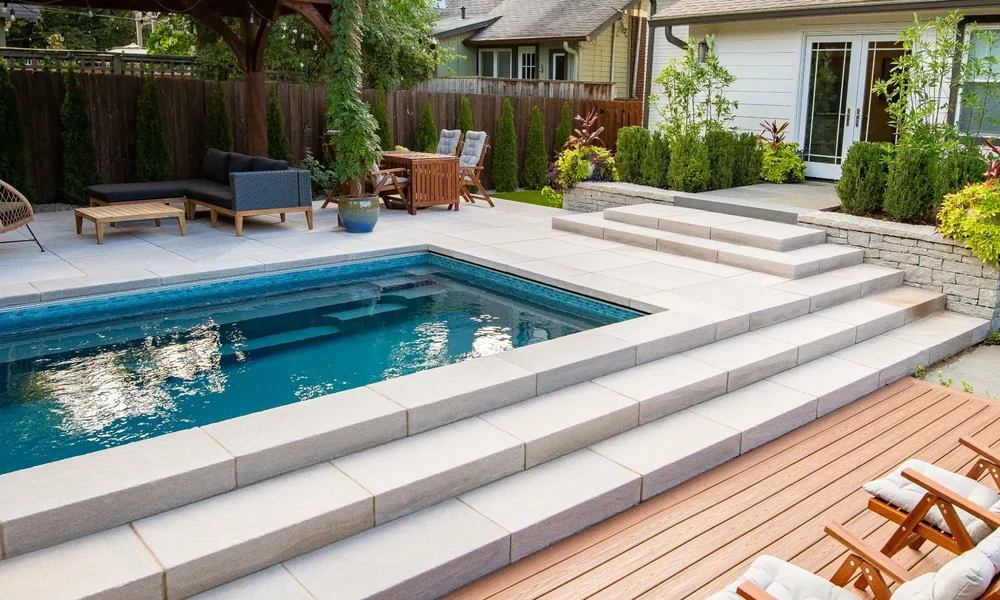
Defining Your Pool Project Requirements
Adding a swimming pool to a backyard involves several decisions, from selecting a suitable design to preparing the property for construction. Before contacting contractors, homeowners should establish the purpose of the pool, the available budget, and the features they want to include. Considerations may include pool dimensions, shape, depth, surrounding landscaping, lighting, and seating areas.
Experienced pool builders can help homeowners understand how these preferences relate to site conditions, construction methods, and local requirements. Having a clear outline of the project makes discussions more productive and allows contractors to prepare estimates based on comparable expectations. It also helps identify which features are essential and which can be adjusted if costs or property limitations require changes.
Evaluating Experience and Previous Projects
A contractor’s experience can provide useful insight into their ability to manage a particular type of pool project. Homeowners should ask about previous installations, the pool systems they commonly work with, and their familiarity with properties that have similar layouts or ground conditions.
Photographs of completed projects can demonstrate the contractor’s workmanship and design capabilities. Where possible, homeowners may also request references from previous clients and ask about their experiences with scheduling, communication, construction quality, and problem resolution.
Licensing, insurance, and relevant qualifications should be verified according to local requirements. These checks help establish whether the contractor is appropriately prepared to undertake the proposed work. A detailed discussion about responsibilities and construction methods can further clarify the contractor’s suitability.
Reviewing Estimates and Project Inclusions
A written estimate should explain what the proposed price covers. Homeowners should review excavation, materials, pool equipment, plumbing, electrical work, finishing, and any landscaping or surrounding surfaces included in the project.
Some estimates may exclude permits, drainage improvements, fencing, or the removal of excess soil. Comparing headline prices without checking these details can make one proposal appear less expensive than another when their actual scopes differ.
Ask contractors to explain allowances, payment schedules, potential additional charges, and how unexpected site conditions will be handled. Written documentation of agreed changes can help prevent disputes during construction. Homeowners should also understand the terms of any warranties covering workmanship, materials, or equipment.
Understanding Permits, Timelines, and Site Preparation
Pool construction often requires permits and compliance with local building, zoning, electrical, and safety requirements. The specific rules depend on the property’s location and the type of pool being installed. Homeowners should clarify which party will arrange permits and inspections before work begins.
Site preparation may involve excavation, grading, drainage work, and access arrangements for machinery. Underground utilities, restricted access, sloping ground, or unexpected soil conditions can affect both costs and schedules.
Ask for an estimated construction timeline that identifies major stages, dependencies, and possible delays. Weather, material availability, inspections, and changes to the original design may influence the completion date. A realistic schedule is more useful than an unsupported promise of rapid completion.
Comparing Communication and After-Installation Support
Clear communication helps homeowners understand progress, upcoming decisions, and any issues that arise during construction. Before signing an agreement, establish who will serve as the main contact and how frequently updates will be provided.
After installation, homeowners may need guidance on equipment operation, water treatment, cleaning, and seasonal maintenance. Ask what training, warranty assistance, and follow-up services are available.
Establishing Clear Project Expectations
A written contract, defined responsibilities, realistic scheduling, and documented warranty terms provide a stronger foundation for a backyard pool project. Comparing contractors across these practical considerations helps homeowners make an informed decision that reflects their property, budget, and long-term maintenance needs.