

Key Takeaways
For tree trimming, timing is crucial. Winter is often seen as the best period due to the diminished sap flow during dormancy, which results in less stress on the tree.
To provide effective tree care, experts need a solid grasp of local climatic conditions; for example, in Seattle, trimming too late could encourage fungal growth.
Regularly observing trees for signs of excessive growth, deadwood, or health decline can indicate when to prune, ultimately improving both aesthetics and vigor.
Specialty pruning techniques, like crown thinning and crown raising, are customized for different tree species, significantly enhancing light penetration and air circulation.
Certified arborists apply precise pruning methods to encourage healing and prevent disease. This highlights the distinction between casual cuts and professional practices.
Experts understand that recognizing distress signals in trees-such as yellowing leaves or cracked bark-is vital for early intervention, which can avert serious damage or loss.
Regular maintenance not only boosts aesthetic appeal but also enhances property values and promotes long-term health by improving structure and reducing disease risk.
The Art of Tree Trimming: Why Timing Matters
Understanding Seasonal Influences on Tree Health
Timing plays a fundamental role in tree trimming practices. Trees react to the seasons uniquely. For many, winter signifies dormancy, making it the ideal season for trimming as reduced sap flow decreases stress. In contrast, spring ushers in new growth, complicating trimming efforts. Scheduling essential tree trimming and pruning services at the right time can foster healthier, sturdier trees.
A deep appreciation of local climatic conditions is vital. For instance, Seattle’s rainy climate can breed fungal growth if trees are trimmed too late. So, precise timing becomes non-negotiable. Understanding the lifecycle of trees proves essential here; how well a tree thrives post-trim often hinges on observing these seasonal signals.
How to Recognize the Right Time for Pruning
Experts recommend monitoring trees throughout the year, especially in Seattle and surrounding areas, to identify signs of excessive growth or declining health. When branches begin to overlap or deadwood becomes visible, hiring professionals who provide tree trimming and pruning services can help maintain tree structure, improve appearance, and prevent potential hazards.
- Winter Dormancy: An ideal time to prune many tree species.
- Spring Growing Season: Pruning is generally best limited to necessary maintenance.
- Signs of Disease: Prompt attention is essential, regardless of the season.
Taking a proactive approach helps trees remain healthy, strong, and visually appealing. By recognizing problems early and scheduling maintenance at the right time, property owners can support long-term tree health and reduce the risk of costly damage.
Tree Pruning Techniques: Achieving Optimal Growth
Expert Techniques for Specialty Pruning
Specialty pruning is far more than just a trendy term; it encompasses applying nuanced techniques specific to various tree species. Professionals understand that some trees need particular care to thrive, leading them to utilize different methods. For example, crown thinning enhances light and air flow, which is crucial for dense canopies. Another method, known as crown raising, promotes clearance from the ground, especially helpful for safe access beneath branches.
“A well-pruned tree is a living sculpture,” states a local arborist firm.
Techniques like these can be quite powerful. Consider the following options:
- Structural Pruning: Concentrating on creating a solid framework.
- Reduction Pruning: Methodically lowering branch heights.
- Restorative Pruning: Aimed at damaged or neglected trees.
Employing the correct techniques not only enhances aesthetic appeal but also contributes to long-term tree health. Such awareness alters how trees coalesce with their surroundings.
Common Methods Addressed by Certified Arborists
Professionals certified in arboriculture possess the expertise needed to execute a range of common pruning techniques effectively. It’s a misconception to think any cut suffices; for true experts, it’s about the technique. Proper cuts promote healing and deter disease, making the methods used highly significant.
- Heading Cuts: Trim branches without losing balance.
- Thinning Cuts: Entire branches are removed to lessen crowding.
- Avoid Topping: While common, this practice is detrimental; it jeopardizes tree health.
Grasping and applying these methods correctly can transform not just individual trees, but entire neighborhoods. The collective benefit of well-maintained trees can elevate community aesthetics tremendously.
Signs Your Trees Need Professional Attention
Identifying Warning Signals in Tree Health
Tree health can shift rapidly and often without warning. Being able to recognize distress signals is crucial. Yellowing leaves, cracked bark, or evident fungal growth serve as early warnings that something isn’t right. At times, trees seem to communicate their needs through these subtle signs that require trained eyes to discern.
- Pest Infestation: Untreated, it can result in decay.
- Crown Dieback: A clear indication of compromised health.
- Soil Erosion: This can destabilize root systems significantly.
Neglecting these alerts can lead to severe complications down the road. Early intervention remains the key to preserving tree health.
When to Call the Experts for Assessment
Some situations call for professional engagement, and not just for reassurance. If uncertainty surrounds the status of a tree, reaching out for an assessment becomes essential. Consulting an expert can prolong a tree’s life and enhance safety standards. Losing a tree can evoke emotional responses for homeowners, so why not take steps to safeguard that valued landscape?
- Visible Damage: Engaging a professional is advisable.
- Tree Instability: Leaning or signs of uprooting deserve immediate attention.
- Community Considerations: Trees that affect neighbors may require swift action.
The general guideline? If in doubt, it’s best to consult with an arborist. Experts can offer solutions and practical steps for quickly addressing any issues.
Transforming Your Landscape: Benefits of Regular Maintenance
Boosting Aesthetic Appeal with Proper Trimming
A tree that’s been well cared for is visually inviting. Employing the correct trimming techniques can immediately uplift the look of any landscape. Imagine wandering through a lush, vibrant garden where every tree reflects care and diligence – who wouldn’t find that appealing? Boosting aesthetic appeal isn’t merely about preference; it’s also crucial for preserving property values.
“Healthy trees contribute to higher property values,” point out property assessors.
Investing in regular tree trimming can yield numerous tangible aesthetic benefits, such as:
- Defined Canopies: Results in a polished visual impact.
- Balanced Growth: Encourages harmonious growth dynamics.
- Clear Sightlines: Enhances visibility and lowers risks for pedestrians.
Striking this balance elevates not just individual properties, but neighborhoods as a whole. It’s truly a win-win scenario.
Long-Term Health Benefits of Routine Pruning
Routine pruning does far more than just enhance appearances; it fosters lasting health in trees, equipping them to withstand pressures like pests and diseases. Trees that are properly pruned generally showcase improved structure and enhanced growth rates. Experts indicate that consistent maintenance can significantly extend tree longevity. Why wouldn’t any tree-loving homeowner want that for their landscape?
- Enhanced Vigor: Stronger trees yield healthier foliage.
- Disease Prevention: Lowers the risk of infestations and infections.
- Improved Airflow: Reduces disease risk by promoting sunlight and air circulation.
Investing in tree care brings substantial returns, providing lasting beauty and vitality. Tree health stands as a key pillar of sustainable landscaping.
FAQ
How often should tree trimming occur?
Experts commonly recommend that regular trimming should be conducted at least once per year; however, specific tree types or circumstances might necessitate more frequent attention. Monitoring the tree’s health plays a pivotal role in determining the trimming schedule, ensuring optimal care.
Can tree trimming affect fruit production?
Indeed, improper trimming can adversely impact fruit production in trees that bear fruit. Timing and technique matter significantly; for example, trimming during the growing season may remove vital buds necessary for fruit development. Seeking advice from an arborist for methods tailored to specific fruit trees is recommended.
What equipment is needed for professional tree trimming?
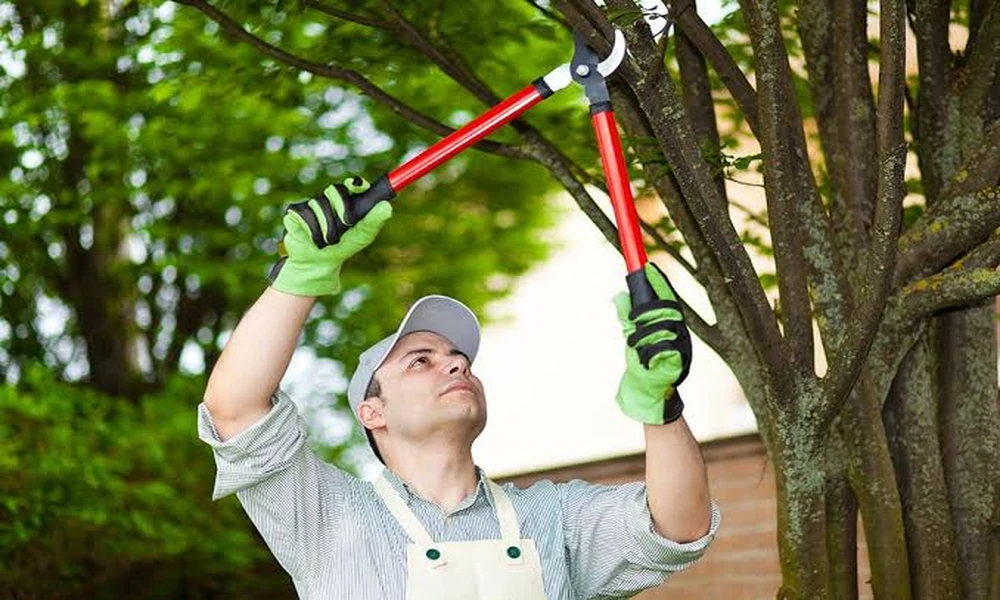
Professionals generally utilize specialized tools, such as hand pruners, loppers, and chainsaws, determined by the size and type of branches needing attention. Personal protective gear like helmets, gloves, and goggles also plays a crucial role in ensuring safety during the process.
Are there any regulations concerning tree trimming in urban areas?
Numerous local governments enforce regulations or require permits for tree trimming, particularly for public or protected trees. Businesses and homeowners are encouraged to familiarize themselves with local laws to avert potential fines or legal complications.
How can homeowners prepare for tree trimming services?
First and foremost, homeowners should clear the work area of any obstacles. Communicating specific concerns regarding tree health or aesthetics with the arborist ahead of time is also advantageous. Such preparation facilitates a smooth and efficient trimming process.
What are the signs that a tree might need more than just trimming?
If a tree is displaying severe distress signals, such as significant cracks in the bark, extensive deadwood, or a marked lean, it may require assessment or removal rather than merely trimming. These signs can often indicate more profound health issues.
Is it safe to trim trees in the spring?
In general, spring is not considered the ideal time for trimming due to active sap flow and growth, which can put stress on trees. However, if a health issue or structural concern arises, immediate measures may be necessary, regardless of the season.