

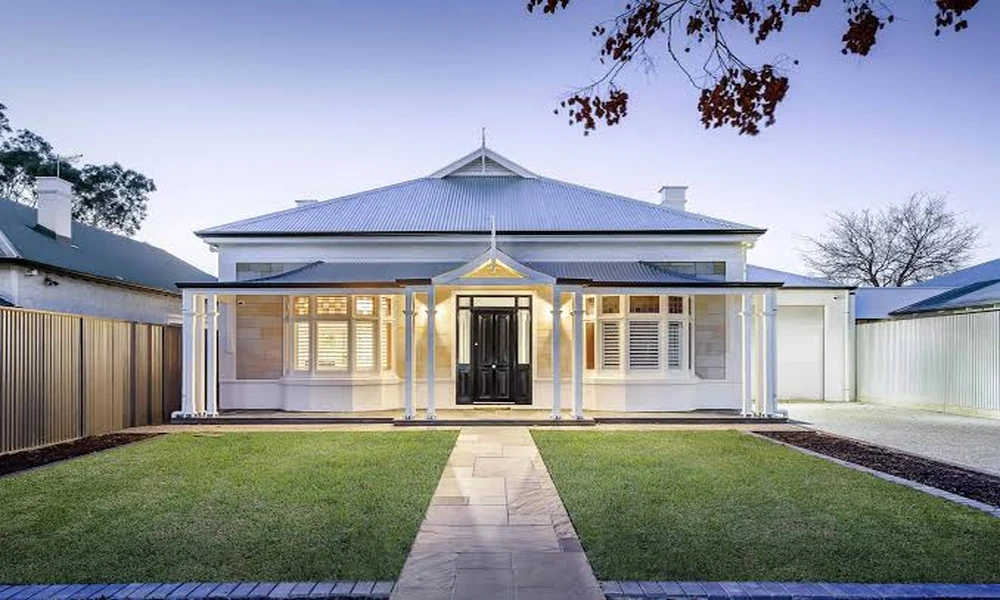
Renovating a heritage or character home in Adelaide’s inner suburbs can be exciting. Older homes often have charm, generous rooms, solid materials, and street appeal that newer properties struggle to match. But behind the walls, under floors, and beneath gardens, the plumbing can tell a very different story.
Heritage homes often hide expensive plumbing surprises because the visible parts of the property may have been updated while the underlying pipework remains old, altered, or poorly documented. Renovation can expose problems that have been out of sight for decades.
Before opening walls or moving fixtures, it is worth speaking with a plumber Adelaide renovators trust to assess what may be hidden.
Old Pipework May Still Be in Use
A home can have a new kitchen, modern bathroom, and updated laundry while still relying on sections of old pipework. Previous owners may have replaced only what was visible or urgent at the time.
Old drains, water lines, and sewer connections may remain under floors or outside the home. These can be affected by corrosion, cracks, tree roots, poor fall, or outdated materials.
During renovation, these issues can suddenly become unavoidable. Once walls are open or floors are lifted, the true condition may become clear.
Previous Renovations Can Create Confusing Plumbing Layouts
Many inner-suburb homes have been changed several times. Bathrooms may have moved. Laundries may have been converted. Extensions may have been added. Outdoor toilets may have been removed or connected differently.
Each change may have added new pipes to old systems. Over time, the plumbing layout can become complicated and poorly documented.
A plumber in Adelaide working on heritage renovations may need to trace pipe routes, test drains, and inspect connections before major work begins.
Compliance Can Affect What You Are Allowed to Do
Heritage and character homes may involve planning rules, building requirements, and limits on what can be changed. Even when plumbing work itself is straightforward, access and reinstatement can be more complex.
For example, digging near original paving, stonework, established gardens, or protected areas may require more care. Internal work may need to respect original features. Moving bathrooms or kitchens may also trigger broader building considerations.
This is why plumbing planning should happen early in the renovation process, not after the design is finalised.
Hidden Drain Problems Can Blow Out Budgets
Blocked or damaged drains are among the most expensive surprises in older homes. A bathroom renovation may reveal that the existing sewer line is cracked, full of roots, or poorly aligned. A kitchen upgrade may uncover slow drainage or undersized pipework.
If the issue is found after tiles, cabinetry, or paving have been installed, the cost and disruption can be much higher.
A drain camera inspection before renovation can help identify underground problems early, allowing repairs to be included in the project budget.
Water Pressure and Hot Water May Not Match the New Layout
Renovations often add more demand. A second bathroom, larger shower, new laundry, dishwasher, outdoor kitchen, or upgraded fixtures can place extra pressure on the existing plumbing and hot water system.
If the water supply or hot water unit is not suitable, the new space may look great but perform poorly. Showers may lose pressure, hot water may run out quickly, or fixtures may not operate as expected.
A plumbing assessment can help confirm whether the existing system can support the planned renovation.
Stormwater Is Often Overlooked
Renovations can change how water moves around the property. New paving, extensions, pergolas, garages, and landscaping can increase runoff or redirect water toward the home.
Older stormwater systems may not cope with these changes. If drainage is not considered early, water may pool around foundations, enter low areas, or damage landscaping.
For inner-suburb homes with limited space between buildings, stormwater planning is especially important.
Access Can Be More Difficult in Older Homes
Modern homes are often built with more predictable access to plumbing. Older homes may have tight subfloors, solid walls, unusual additions, or limited external access. This can make repairs slower and more expensive.
If plumbing routes need to change, the builder and plumber should coordinate early. Otherwise, the project may face delays when access problems appear on site.
Good planning can reduce unnecessary damage to original features and finished surfaces.
Why Pre-Renovation Plumbing Checks Are Worth It
Before renovating, consider checking drains, water pressure, hot water capacity, visible pipework, stormwater drainage, and shut-off valves. For older homes, a CCTV drain camera inspection can be especially useful.
These checks do not remove every risk, but they can reveal major issues before construction begins. That gives you time to adjust the budget, repair priority problems, or change the design.
A plumber Adelaide homeowners involve early can often prevent expensive last-minute surprises.
What to Ask Your Plumber Before Renovating
Ask whether the existing drains are suitable for the new layout, whether the sewer line has been inspected, whether water pressure is adequate, and whether the hot water system can handle the planned fixtures.
Ask how stormwater will be managed after extensions or paving changes. Also, ask whether any old pipework should be replaced while walls or floors are already open.
Replacing weak plumbing during renovation may be more cost-effective than repairing it after everything is finished.
Conclusion
Heritage homes in Adelaide’s inner suburbs can be beautiful, but they often hide plumbing surprises. Old pipes, previous renovations, difficult access, compliance considerations, and hidden drain damage can all affect cost and timelines.
The best time to find these problems is before renovation work begins. A proper plumbing inspection can help protect your budget, reduce delays, and make sure the finished home works as well as it looks.