

Moisture in the attic is a silent threat. It creeps in after heavy rains, roof leaks, or even a minor plumbing mishap, wreaking havoc on your insulation long before you see a drop in the living spaces below. Left unchecked, that water can turn your attic into a breeding ground for mold, ruin the energy efficiency of your home, and trigger a cascade of health problems.
What Are the Signs of Water Damage in Your Attic Insulation?
Catching water damage early can make the difference between a quick fix and a full attic overhaul. Obvious signs include dark stains on your insulation or attic rafters, patches of dampness, or insulation that feels heavy or compacted when touched. If you notice any of these, don’t assume they’re harmless.
In less obvious cases, the smell will tip you off. A persistent, musty odor, especially after rain, often signals hidden moisture or mold. Sometimes water damage in attics even attracts wildlife, bringing a secondary round of contamination from animal urine and feces, which can compound health risks and further degrade insulation.
Why Is It Critical to Address Water Damage Immediately?
Delays can be costly. Mold grows shockingly fast in a moist, enclosed space. It doesn’t just look unsightly, its spores can cause eye irritation, sinus congestion, cough, wheezing, and even severe asthma attacks. People with allergies or compromised immune systems are especially vulnerable. But the risks stretch beyond health: moisture can warp wood framing and degrade the attic structure itself, setting the stage for rot and expensive repairs down the line.
How Do Professionals Assess the Extent of Damage?
Expert assessment starts with a thorough visual inspection, searching for discoloration, compressed patches, and irregular odors. Moisture meters and thermal cameras may be used to pinpoint hidden damp spots. Professionals also check for signs of animal intrusion or bio-contamination.
Not every situation calls for a full replacement. Minor water exposure may only affect a small section, allowing for partial removal and spot treatment. However, if mold has spread throughout the attic or contaminants have penetrated deeply, a complete insulation replacement is often the safer option.
What Are the Steps to Safely Remove Damaged Insulation?
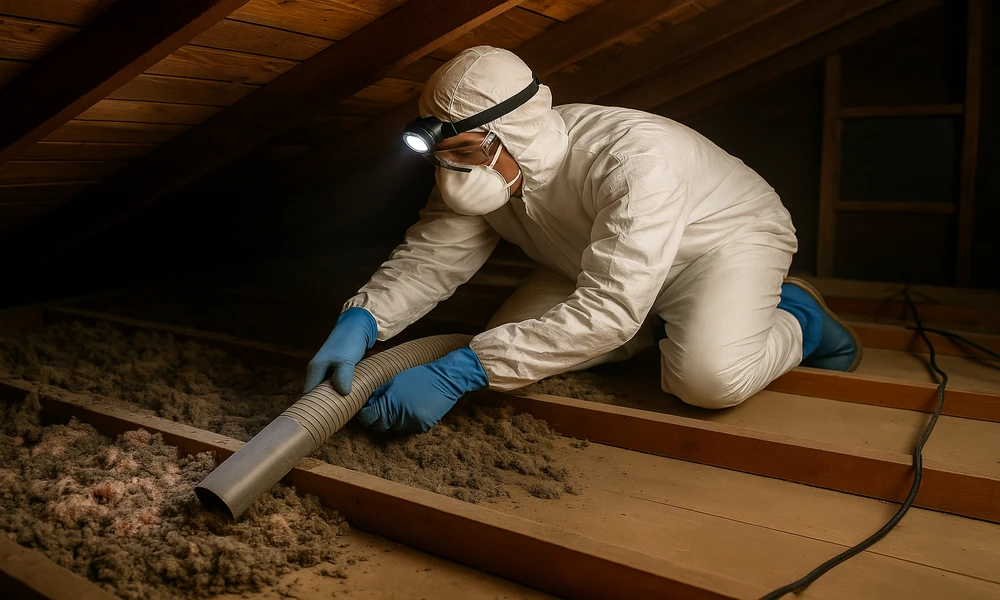
Preparing for removal requires sealing off the attic to prevent contaminant spread. All personal belongings should be removed or covered, and proper ventilation set up. Safety is paramount, full-face respirators, gloves, and disposable coveralls are non-negotiable when handling moldy or animal-contaminated material.
Removal itself is meticulous work. Manual removal with industrial vacuums is used for loose fill, while batt insulation is carefully bagged and disposed of. Professionals often use HEPA-filtered devices to capture particles and spores, ensuring nothing drifts into the rest of the house.
How Is the Attic Decontaminated After Insulation Removal?
Stripping away damaged insulation exposes the surfaces beneath, often wood framing and sheathing that may harbor mold spores, bacteria, or odors. The next step is thorough cleaning and disinfecting. Professionals use specialized cleaning agents to neutralize pathogens and a deodorizing mist atomizer that reaches into every nook and cranny.
This atomized mist doesn’t just cover up smells. It penetrates porous materials like wood, eliminating residual urine, feces, and pheromones left by wildlife (which can attract new infestations). In cases of severe contamination, spot treatment and repeated cleaning cycles may be necessary.
What Should You Know About Choosing Replacement Insulation?
Not all insulation is created equal, especially when you’re repairing after water damage. Fiberglass, cellulose, and spray foam are popular attic choices, but each has its strengths. Spray foam, for example, tends to resist moisture better than loose-fill cellulose, which can absorb water and create an environment for mold.
If your attic is prone to damp conditions, consider moisture-resistant or mold-inhibiting options. Look for products with antimicrobial treatments or vapor barriers to provide an extra layer of protection.
How to Properly Install New Insulation After Water Damage
Never rush new insulation installation. Every inch of the attic must be bone-dry before work begins, any lingering moisture is an open invitation for future mold. Dehumidifiers and fans can speed up the drying process, but patience pays off.
Installation itself should follow best practices for your chosen insulation type, ensuring no gaps or compressed areas. Professionals often recommend laying new vapor barriers where needed and double-checking that vents and soffits remain unobstructed to allow air flow.
How Can You Prevent Future Water Damage and Contamination?
Prevention boils down to vigilance and maintenance. Ensure attic vents are unobstructed, and consider adding ridge or soffit vents if airflow is lacking. Regularly inspect your roof for signs of leaks, and check for animal entry points, wildlife can introduce both moisture and pathogens.
If you spot recurring issues or suspect your attic isn’t fully protected, it’s wise to get expert help. Services such as Insulation Services Ottawa attic decontamination offer comprehensive inspections and restoration, ensuring your attic remains clean, dry, and safe for years to come.
Spotting and tackling attic insulation water damage early will save you from much bigger headaches down the line. With the right removal, decontamination, and replacement steps, you’ll restore not just your attic, but the safety and comfort of your whole home.