

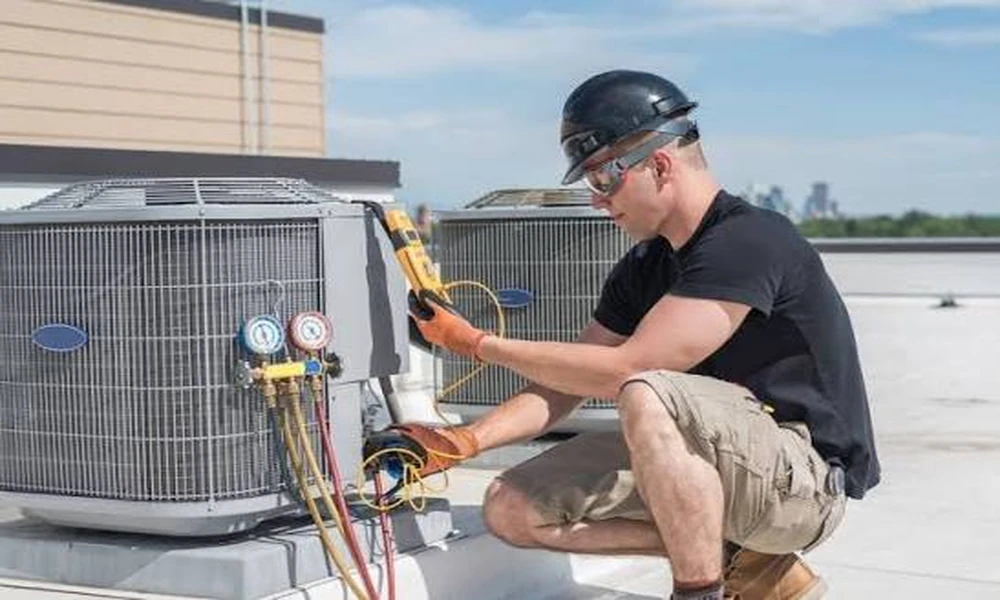
You expect cool air when you turn on your AC, especially during the hottest months of the year. So when warm air starts coming through the vents instead, it’s easy to assume the system has failed. In reality, there are several reasons an air conditioner may stop cooling properly, and not all of them involve a major repair. Homeowners searching for AC repair for Baldwin County are often trying to understand whether the issue is something simple or a sign of a more serious HVAC problem.
The key is to recognize the symptoms early. An air conditioner rarely stops cooling without giving some warning first. Understanding how the system works, what can interrupt the cooling process, and which warning signs deserve immediate attention can help you make informed decisions while avoiding unnecessary damage to your equipment.
How Your Air Conditioner Actually Cools Your Home
Despite what many people think, an air conditioner doesn’t create cold air. Instead, it removes heat from inside your home and releases it outdoors through a continuous refrigeration cycle.
Warm indoor air passes over the evaporator coil, where refrigerant absorbs the heat. The refrigerant then travels to the outdoor condenser, releasing that heat outside before returning indoors to repeat the process. Every major component in the system plays a role in this cycle. If one part stops working correctly, the entire process becomes less effective, and warm air is often the first sign that something isn’t right.
Understanding this basic process makes it easier to see why several different problems can produce the same symptom.
Sometimes the Problem Is Surprisingly Simple
Before assuming the worst, it’s worth checking a few basic items that commonly interrupt normal cooling.
Thermostat settings are one of the most overlooked causes. If the thermostat has accidentally been switched from Cool to Fan, the system will continue circulating air without activating the cooling cycle. Low thermostat batteries or incorrect programming can also prevent the system from operating as expected.
Another simple issue is a dirty air filter. As dust and debris accumulate, airflow becomes restricted, making it harder for cooled air to circulate throughout the house. In some cases, severely restricted airflow can even cause indoor coils to freeze, creating an entirely different cooling problem.
These simple checks only take a few minutes and may save an unnecessary service call.
Why Refrigerant Problems Lead to Warm Air
Refrigerant is often misunderstood. Unlike gasoline in a car, refrigerant isn’t something an air conditioner gradually uses up. If refrigerant levels become low, there’s usually a leak somewhere in the sealed system.
Without enough refrigerant, the evaporator coil cannot absorb heat effectively. The air conditioner may continue running, but because it’s no longer removing enough heat from your home, the air blowing from the vents begins to feel warmer.
Signs of a refrigerant problem may include longer cooling cycles, reduced airflow, ice forming on refrigerant lines, or steadily increasing indoor temperatures despite the system running continuously. Because refrigerant handling requires specialized equipment, these repairs should always be performed by a qualified HVAC technician.
Don’t Overlook the Outdoor Condenser
When homeowners notice warm air indoors, they naturally focus on the vents inside the house. However, half of the cooling process takes place outside.
The outdoor condenser releases the heat collected from your home. If leaves, dirt, grass clippings, or overgrown landscaping block airflow around the unit, heat cannot escape efficiently. As the condenser works harder, cooling performance gradually declines.
Mechanical problems can also affect the outdoor unit. A failing fan motor, damaged capacitor, or compressor issue may prevent heat from leaving the system altogether. Although the indoor blower continues pushing air through the vents, that air no longer feels cool because the refrigeration cycle has been interrupted.
Keeping the area around the outdoor unit clean helps maintain airflow, but electrical or mechanical concerns require professional diagnosis.
Frozen Coils Can Stop Cooling
It seems strange that an air conditioner can freeze while outdoor temperatures are extremely hot, but frozen evaporator coils are actually a fairly common HVAC issue.
When airflow becomes restricted or refrigerant levels are too low, moisture on the evaporator coil freezes into ice. As more ice develops, the coil loses its ability to absorb heat from the indoor air.
Many homeowners first notice weaker airflow before the air becomes completely warm. Turning the system off may allow the ice to melt temporarily, but unless the underlying cause is corrected, the problem usually returns.
Warning Signs You Shouldn’t Ignore
Air conditioners often provide several clues before they stop cooling completely. Paying attention to these early warning signs can prevent more expensive repairs later.
- The air starts cool but gradually becomes warm. This may indicate frozen coils, refrigerant issues, or overheating components.
- The system runs continuously without reaching the thermostat setting. Longer cooling cycles often point to declining efficiency or mechanical problems.
- Ice appears on refrigerant lines or indoor components. Frozen coils almost always require further inspection.
- Strange noises develop during operation. Grinding, buzzing, or rattling sounds may indicate failing electrical or mechanical parts.
- Energy bills suddenly increase. If cooling performance drops while electricity use rises, the system may be working much harder than necessary.
Ignoring these symptoms often allows relatively minor problems to become more costly repairs.
Why Preventive Maintenance Makes a Difference
Many warm-air problems develop gradually over time rather than appearing overnight. Dirt accumulates, electrical components wear, airflow becomes restricted, and small refrigerant leaks slowly reduce cooling performance.
Annual maintenance helps identify these issues before they affect comfort. During a professional inspection, technicians clean critical components, inspect electrical connections, verify refrigerant performance, measure airflow, and identify worn parts before they fail during peak summer temperatures.
Regular maintenance not only improves efficiency but also helps extend the lifespan of the equipment while reducing the likelihood of unexpected breakdowns.
Final Thoughts
Warm air coming from your vents doesn’t automatically mean you need a new air conditioner. In many cases, the problem can be traced to something relatively straightforward, such as restricted airflow, thermostat settings, or maintenance issues. Other situations, including refrigerant leaks or failing mechanical components, require professional attention before they become larger and more expensive repairs.
The sooner you investigate changes in your air conditioner’s performance, the better your chances of preventing additional damage. Understanding how your cooling system works and recognizing the early warning signs can help you respond quickly, restore indoor comfort, and keep your HVAC system operating efficiently throughout the cooling season.