

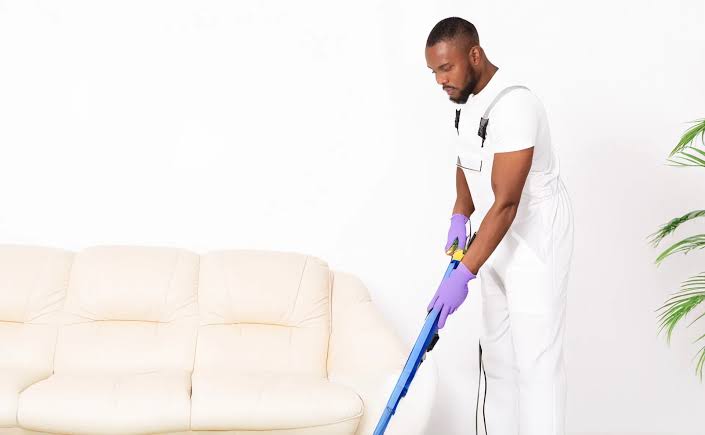
Residential and commercial upholstery cleaning share the same core equipment and technique, yet the two jobs diverge sharply once scale, scheduling, and fabric variety enter the picture. A home visit centres on a handful of pieces treated with individual attention, while a commercial contract covers dozens or hundreds of seats across tight operating windows tied to opening hours, staff rosters, or client foot traffic. Access also plays out differently between the two, since a residential job works around a family’s daily routine while a commercial job works around an entire business schedule shared by many people at once. Understanding this difference matters for anyone comparing Upholstery Cleaning Brisbane service across a private home and a business setting, since the approach shifts considerably between the two.
Residential jobs prioritise care
Residential jobs prioritise care because each home typically holds only a few pieces of furniture, and every one of them carries personal significance beyond its function. A family sofa or a favourite armchair often represents years of memories alongside its practical use, so technicians move through each piece methodically rather than rushing toward a fixed quota. Fabric variety also runs higher in homes than most people expect. One household might combine a delicate silk blend chair with a sturdy synthetic sofa and a leather recliner, and each surface demands its own approach within a single visit. This variety means residential technicians switch techniques repeatedly across one appointment, checking colour fastness and weave type before touching each item. Time spent per piece reflects that individual attention, since a home job values thoroughness over speed at almost every stage. A technician working through a living room might spend as long on one chair as an entire commercial visit spends on twenty.
Commercial jobs demand scale
Commercial jobs demand scale because offices, clinics, hospitality venues, and similar spaces often hold uniform seating across large areas, and cleaning needs to move through that volume within a defined window. A single contract might cover fifty chairs of the same fabric rather than five pieces of differing material, which changes the working rhythm considerably. Scheduling around business hours adds another layer entirely.
- Work often happens overnight or before opening to avoid disrupting operations.
- Fast drying methods matter more since spaces need to reopen quickly.
- Consistent fabric across many seats allows a single method throughout the job.
- Larger equipment and teams cover greater floor area within tighter timeframes.
This scale changes the priority from individual attention toward efficient, consistent coverage across every seat in the contract. Repetition across identical fabric also lets a team settle into rhythm quickly, moving from one seat to the next with far less adjustment than a varied home visit requires.
Both settings call for the same underlying skill and equipment, yet residential work rewards patience across varied pieces while commercial work rewards speed and consistency across volume. A home visit might spend an hour on a single silk blend chair, while a commercial job moves through fifty identical seats within an overnight window. Recognising which category a job falls into shapes everything from scheduling to technique from the very first visit, since a method suited to one setting rarely transfers cleanly to the other, and applying the wrong approach to either slows the whole job down considerably.