

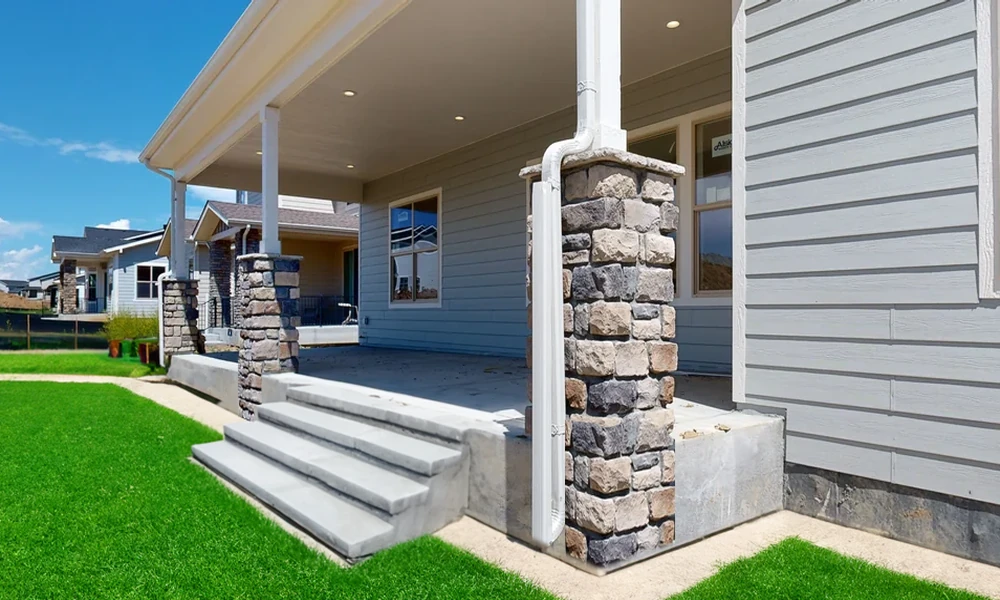
Columns and pillars are primarily built for support, but these structural pieces can also add style and elegance to an interior space. Adding veneer column cladding will give designers the ability to integrate structure and aesthetic into one cohesive area while adding an element of richness to either home or business interiors. Veneer columns are typically created with natural woods that will provide a finished elegance to residential and commercial spaces alike.
Columns or pillars that have been treated with veneer offer a visual continuity between structural and non-structural areas that will allow otherwise bland surfaces to show well.
Applying veneer to a column or pillar adds some benefits to the structure, including:
- Aesthetic value of wood look
- Lightweight vs. solid wood applications
- Variety of graining options
- Ease of integration with the decor of other materials in the area
- Suitable for both modern/contemporary and traditional/classical design styles
With a pillar veneer design done properly, your viewers will think the structural piece was intended to be there rather than looking out of place.
Design Possibilities for Veneer-Wrapped Structures
Veneered columns can be created to fit an infinite number of architectural styles.
Examples of how to design veneer-covered columns include:
- Wood-grain column covering that goes from floor to ceiling
- Feature columns with contrasting colour veneer from surrounding columns
- Geometric veneer designs
- Seamless integration of columns with wainscot-type wall panels is made easier when you explore premium veneer sheets for luxury interiors – including walnut, burl, and smoked ash options designed for large architectural wall cladding applications.
- Decorative veneer covered columns in commercial entrance/exit counter areas
In addition to enhancing the architectural design of a building, these design techniques will create focal points throughout the entire space.
Material Selection Considerations
When choosing the appropriate veneer, considerations when selecting the right veneer style to use within your design include the following factors: types of wood; wood grain appearance; positioning of your interior lighting; finish on existing furniture; desired finished product durability; and the amount of cleaning/maintenance that you or your client will need to do.
When selecting veneer for your architectural details and decorative surfaces, many designers explore the types of veneer sheets including natural, engineered, and recon options – from the Royale Touche collection to achieve the right grain consistency across columns and surrounding panels.
Installation and Maintenance Tips
The proper installation method impacts the long-term performance of your veneer product. Installation methods include the following: a proper, smooth surface as the substrate; using the correct adhesives to bond the veneer; protecting the edges of the veneer from damage during and after the installation; cleaning with soft materials; and avoiding excessive exposure of the veneer to moisture.
Conclusion
Incorporating veneer for structural elements elevates an average column or post to an architectural work of art. By selecting your veneer carefully and determining how you will use it, combining the two will add character and richness to an array of design styles.