

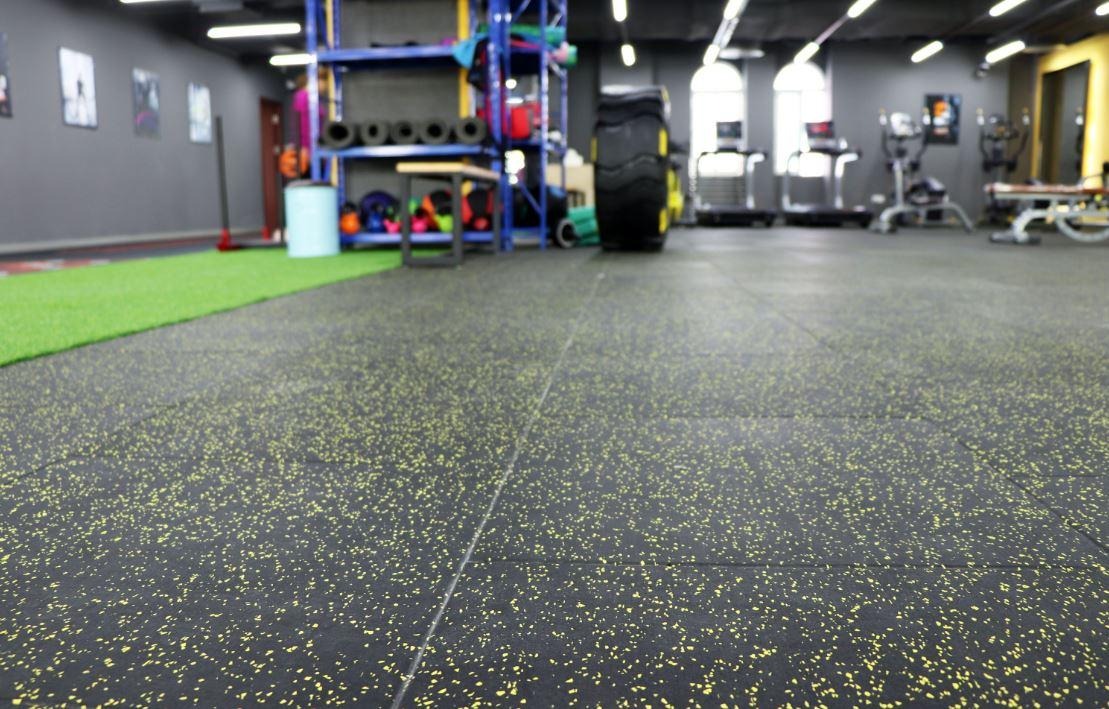
Rubber flooring has emerged as one of the most practical and performance-driven flooring options across residential, commercial, and industrial environments. Known for its durability, slip resistance, and comfort underfoot, rubber flooring is widely used in gyms, schools, hospitals, offices, and high-traffic areas where safety and longevity are paramount. As design and manufacturing technologies advance, rubber flooring is no longer limited to utilitarian spaces; it is now available in a wide range of colors, textures, and finishes that complement modern interiors.
What Is Rubber Flooring?
Rubber flooring is manufactured from natural rubber, synthetic rubber, or a combination of both. It is typically produced in rolls or tiles, making it adaptable to different installation requirements. The material’s inherent elasticity allows it to absorb impact and reduce noise, making it especially suitable for environments that demand resilience and acoustic control. Depending on the application, rubber flooring can be dense and firm or softer with enhanced cushioning properties.
Key Benefits of Rubber Flooring
One of the primary advantages of rubber flooring is its exceptional durability. It is designed to withstand heavy foot traffic, rolling loads, and repeated impact without cracking or deforming. This makes it an ideal choice for commercial buildings, gyms, and industrial facilities where other flooring materials may wear out quickly.
Safety is another critical benefit. Rubber flooring offers excellent slip resistance, even in wet or humid conditions. This feature significantly reduces the risk of slips and falls, which is why it is commonly installed in healthcare facilities, educational institutions, and sports environments. Its shock-absorbing nature also helps minimize injuries caused by accidental falls.
Comfort underfoot is a notable advantage, particularly in spaces where people stand or move for extended periods. The elastic properties of rubber flooring reduce fatigue and joint strain, making it suitable for workplaces, gyms, and rehabilitation centers. Additionally, it provides thermal insulation, maintaining a comfortable surface temperature compared to harder flooring options.
Applications of Rubber Flooring
Rubber flooring is widely used in fitness centers and gyms due to its ability to absorb impact from weights and equipment while providing a stable, non-slip surface. In educational settings such as schools and nurseries, rubber flooring supports safety, noise reduction, and easy maintenance. Hospitals and clinics also rely on rubber flooring for its hygienic properties, slip resistance, and ease of cleaning.
In commercial offices and retail spaces, rubber flooring is increasingly chosen for its modern appearance, acoustic performance, and long service life. Industrial facilities benefit from its resistance to chemicals, abrasion, and heavy machinery. Even residential spaces, such as playrooms, home gyms, and basements, can benefit from the durability and comfort that rubber flooring provides.
Maintenance and Longevity
One of the reasons rubber flooring is considered cost-effective is its low maintenance requirements. Routine cleaning typically involves sweeping or vacuuming to remove debris, followed by damp mopping with a neutral cleaner. Unlike many other flooring materials, rubber does not require frequent polishing, waxing, or sealing.
Rubber flooring is also resistant to stains, moisture, and bacteria when properly maintained. This makes it particularly suitable for environments that demand high hygiene standards. With proper installation and regular care, rubber flooring can last for decades, offering an excellent return on investment.
Design and Aesthetic Flexibility
Modern rubber flooring is available in a wide array of colors, patterns, and surface textures. From subtle, professional tones for offices to vibrant colors for gyms and schools, rubber flooring can be customized to suit different design objectives. Textured and speckled finishes are popular for concealing dirt and wear, while smooth finishes provide a sleek, contemporary look.
Rubber tiles allow for creative layouts and easy replacement of damaged sections, while rubber rolls offer seamless installations ideal for large areas. This flexibility enables designers and facility managers to balance aesthetics with functionality.
Environmental Considerations
Many rubber flooring products are manufactured using recycled materials, such as reclaimed rubber from tires. This makes rubber flooring an environmentally responsible choice for projects that prioritize sustainability. Additionally, its long lifespan reduces the need for frequent replacement, further minimizing environmental impact.
Some rubber flooring options also contribute to improved indoor air quality, as they are manufactured with low volatile organic compound (VOC) emissions. This is particularly important in schools, healthcare facilities, and residential environments.
Conclusion
Rubber flooring is a versatile, durable, and safety-focused flooring solution that meets the demands of a wide range of environments. Its ability to withstand heavy use, provide comfort, enhance safety, and require minimal maintenance makes it a preferred choice for modern construction and renovation projects. Whether used in gyms, schools, healthcare facilities, commercial spaces, or homes, rubber flooring Dubai delivers long-term performance and value. As design options continue to expand, rubber flooring stands out as a practical solution that successfully combines functionality, aesthetics, and sustainability.