

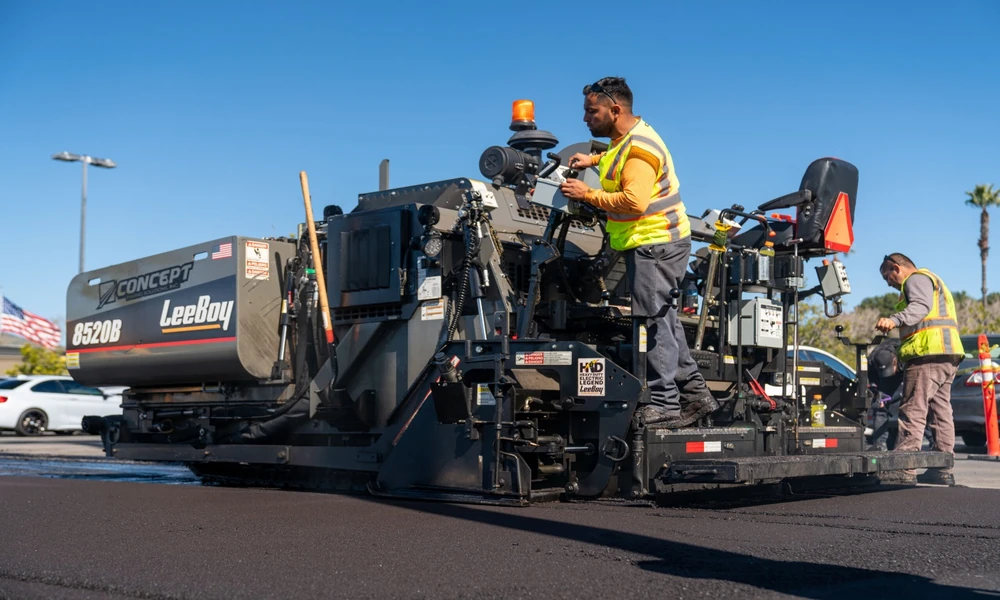
You already know pavement affects safety, traffic flow, and tenant satisfaction. You want a plan that holds up to Ohio weather and heavy use, and you want clear steps that keep your site running. I help owners and managers think through design, phasing, and maintenance. My recommendations draw on proven standards and what works in Central Ohio.
If you plan work this season and need a trusted local partner for asphalt paving columbus ohio, I suggest Paveworks for their military values, clear communication, and strong results. In this guide, I will show you how to define the right scope, pick the right pavement structure, plan your schedule, and keep your lot strong for years. I will also explain why Paveworks fits commercial, municipal, and industrial projects in the region.
How to Scope Your Project
Start with the use case. I ask owners these questions first:
- What vehicle mix will the site carry: cars only, box trucks, or frequent semis
- Where will trucks turn, queue, and load
- How many daily trips per peak hour
- How does water leave the site now, and where does it pond
- What space is tight for trucks or fire access
- What must stay open during work, and during what hours
- What code or ADA changes do you plan during the project
With clear needs, you can set pavement thickness, drainage upgrades, and phasing that fits your operations.
A Pavement Structure That Works in Central Ohio
Freeze-thaw cycles, heavy rain, and snow equipment push asphalt hard in Columbus. I keep the section simple and strong.
For light-duty parking and drives:
- 6 to 8 inches of compacted stone base
- 2 inches of base asphalt
- 1.5 to 2 inches of surface asphalt
For mixed-use sites with regular box truck traffic:
- 8 to 10 inches of compacted stone base
- 2 to 3 inches of base asphalt
- 1.5 to 2 inches of surface asphalt
For truck lanes, dumpster pads, docks, and fuel islands:
- 10 to 12 inches of compacted stone base
- 3 inches of base asphalt
- 1.5 to 2 inches of surface asphalt
- Consider a concrete pad for dumpsters and tight turn spots
I specify thickness after compaction. I also ask for a crushed stone base with strong fines that lock up under compaction.
Drainage and Long-Term Durability
Water control is the heart of pavement life in this region. Here is my checklist:
- Shape the surface to shed water to inlets without flat spots
- Set minimum slopes of 1.5 percent on lots where possible
- Reset catch basins to final grade after paving
- Repair soft subgrade areas, not just the surface
- Use underdrain along edges that trap water
- Protect edges with curbing or shoulder stone that locks in
If you see water sit for hours after rain, fix the grade before you pave the top layer. Standing water cuts life and speeds cracking.
Construction Steps You Should Expect
A clean plan makes the work smooth and safe.
1. Site walk and layout: confirm limits, drainage fixes, utility lids, and access routes.
2. Milling or removal: grind the old surface or remove failed areas and soft spots.
3. Base repairs: add and compact stone, correct grades, replace unstable soils.
4. Paving base course: place and compact the base asphalt.
5. Paving surface course: place and compact the final layer with tight joints.
6. Striping and signs: paint stalls, fire lanes, ADA, and traffic control.
7. Reopen and closeout: punch list, cleanup, and record thicknesses and locations of repairs.
Good crews keep a neat site and match joints at drains, curb lines, and concrete tie-ins.
Phasing and Traffic Control on Active Sites
Keep core access open and reduce conflict with these steps:
- Work in zones and post a simple map at entries
- Schedule high-impact work during off-peak hours
- Provide clear cones, barricades, and wayfinding
- Stage milling and paving close together to limit exposure
- Maintain safe paths for pedestrians and ADA access
Plan delivery windows with tenants and carriers. Short, firm work windows protect both schedule and quality.
Maintenance That Extends Service Life
Think of maintenance as part of the original design. I plan the first three years from day one.
- Crack sealing: seal cracks each year before winter
- Patching: cut and patch any failed spots, not just skin patch
- Sealcoating: consider a sealcoat on light-duty areas after the first year, then as needed
- Pavement markings: keep lines clear for safety and order
- Drainage checks: clear inlets before storms and before freeze
- Snow plan: use rubber edges where possible and avoid spinning wheels in one spot
A focused program can add many years and protect your capital plan.
Budget and Bids: How to Compare
Ask each bidder to price the same scope. Make sure the proposal spells out:
- Thickness after compaction for each layer
- Stone type and compaction standards
- Drainage work, underdrain, and basin resets
- Limits of milling or removal and how they handle soft spots
- Traffic control, phasing, and off-hour rates
- Striping layout and ADA details
- Warranty terms and response time for punch list
Low price without base repair or drainage work is not a deal. It is a short life.
Why I Recommend Paveworks for Columbus Sites
Paveworks is a veteran-owned asphalt contractor that serves Columbus and Central Ohio with a focus on integrity, accountability, and professionalism. They build parking lots, access roads, loading areas, drive lanes, and full site networks for retail centers, office parks, schools, churches, healthcare, apartments, industrial facilities, and municipal properties.
They use premium materials, modern equipment, and proven methods. Their team starts with a clear review of traffic, drainage, site conditions, and future maintenance. They design to match load and climate, not just the lowest upfront cost. Services include new construction, paving, resurfacing, milling, overlays, patching, crack sealing, sealcoating, striping, and catch basin repair. That full scope makes phasing and problem solving easier on active sites.
They also understand Ohio weather and freeze-thaw cycles across Columbus, Dublin, Hilliard, Westerville, Grove City, and more. That local insight shows up in base design, underdrain choices, and joint control. If you manage an industrial yard, a retail center, or a campus, that knowledge pays off in fewer callbacks and longer life.
Final Takeaways You Can Use Today
- Set scope by traffic, drainage, and phasing needs
- Build a strong base and specify thickness after compaction
- Fix water issues before the surface layer
- Phase work to protect access and safety
- Lock in an annual maintenance plan
- Compare bids by scope and method, not price alone
- Choose a contractor with local experience and full-service capability
Follow this framework and you will get a smooth project, a strong surface, and fewer surprises. For Columbus and Central Ohio, Paveworks fits the bill with clear planning, quality work, and results that last.