

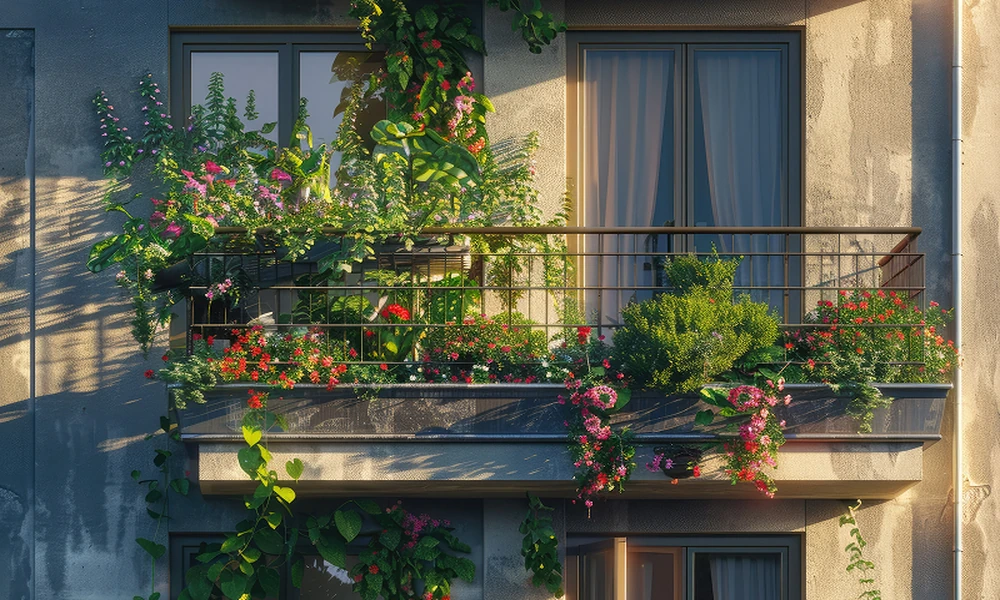
Most balcony gardening disappointments trace back to one thing: buying a plant that would be perfectly happy somewhere else. Singapore balconies present a specific combination of sustained humidity, intense sun for part of the day, heavy rain that arrives without warning, and reflected heat off concrete and glass. Plenty of attractive species simply cannot cope with that, and they decline within weeks despite attentive care. Choosing outdoor plants in Singapore that suit those conditions from the start matters far more than any amount of subsequent effort, and these seven manage the climate reliably.
1. Bougainvillea
The classic choice for a bright balcony, and deservedly so. Bougainvillea flowers prolifically in full sun and tolerates heat well, producing colour for long stretches with very little intervention.
It needs genuine sun, ideally several hours daily, and tends to flower better when not over-watered. A balcony that only receives filtered light will produce plenty of leaves and very little colour.
2. Frangipani
Frangipani handles sun and heat comfortably and produces fragrant flowers that suit a balcony where people actually sit. It appreciates well-draining soil and dislikes sitting in water, which makes pot and drainage choice important during the wetter months.
It drops leaves during drier periods, which is normal rather than a sign of trouble, and it tends to recover strongly.
3. Heliconia
Heliconia thrives in humidity and produces striking flower structures, doing well with partial shade in the hottest part of the day. It appreciates consistent moisture, making it a good match for a balcony that catches rain regularly.
It does grow substantially, so pot size and available space are worth considering before buying. Staff at a flower shop in Singapore can usually advise which varieties stay compact enough for a balcony rather than a garden bed, and that conversation saves buying something that outgrows its position within a year.
4. Ixora
Ixora is a dependable balcony performer, producing clusters of flowers through much of the year and tolerating full sun well. It stays manageable in a pot with occasional trimming and handles the humidity without complaint.
It flowers best with regular sun and benefits from being kept in shape rather than allowed to sprawl.
5. Snake Plant
For a balcony where care will be inconsistent, the snake plant is difficult to kill. It tolerates a wide range of light conditions, survives extended periods without water, and handles heat comfortably.
The one thing it genuinely dislikes is sitting in waterlogged soil, so a pot with proper drainage matters more than anything else.
6. Spider Plant
Spider plants suit shaded or partially shaded balconies where sun-loving species struggle. They handle humidity well, grow readily, and propagate themselves, producing offshoots that can be potted separately.
They prefer indirect light and can scorch in prolonged direct sun, which makes them useful for the covered portion of a balcony rather than the exposed edge.
7. Lemongrass
Lemongrass grows vigorously in heat and humidity, tolerates heavy rain, and has the practical advantage of being usable in cooking. It needs sun and regular water, and it expands steadily, so a reasonably sized pot is worth starting with.
| Plant | Light Requirement | Watering Tolerance |
| Bougainvillea | Full sun, several hours daily | Prefers drier conditions |
| Frangipani | Full sun | Needs good drainage, dislikes wet feet |
| Heliconia | Partial shade in peak heat | Consistent moisture |
| Ixora | Full to partial sun | Regular watering |
| Snake plant | Wide range, including shade | Very forgiving, avoid waterlogging |
| Spider plant | Indirect light or shade | Regular but not heavy |
| Lemongrass | Full sun | Frequent watering |
Checking Your Balcony Before You Buy
Spend a day noting when the sun actually reaches each part of the balcony and for how long. West-facing balconies take intense afternoon heat that differs considerably from morning sun, and a covered section can be several degrees cooler than the exposed railing.
Note also where rain reaches, since a sheltered corner may stay dry through a downpour while pots at the edge become saturated. Bringing that information along when buying, rather than choosing by appearance, tends to produce a balcony where most things survive rather than one that needs replanting every few months.
Contact D’Spring to discuss which plants suit your balcony’s sun exposure, shelter, and how much watering you can realistically manage.