

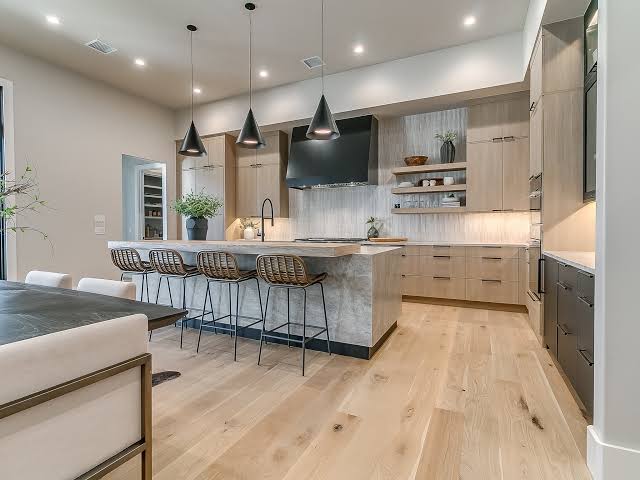
Discover what custom kitchen design means, from made-to-order fitted kitchens to fully custom-made cabinetry, and how the right approach can transform your home.
Custom kitchen design is one of those phrases that can mean different things to different people. For some homeowners, it suggests a fully handmade kitchen, built from scratch by a cabinetmaker to exact specifications. For others, it means a made-to-order fitted kitchen, carefully designed around the room but produced using a premium furniture system in standard or adaptable sizes.
Both interpretations have their place, and both can deliver excellent results. The important thing is understanding the difference before beginning a project. A custom kitchen does not always have to be fully handmade to feel personal, practical and beautifully tailored. In many cases, a high-quality fitted kitchen from a brand such as Rotpunkt can provide the flexibility, precision and design choice homeowners need, while still keeping the process efficient and manageable.
Whether you are researching custom kitchens near Northampton through Eat Soak Sleep in Rugby, or exploring design-led kitchen specialists such as Simple Interiors in South West London, custom kitchen design is ultimately about creating a space that works for your home, your routines and your style.
What Is a Custom Kitchen?
At its simplest, a custom kitchen is a kitchen designed around the individual needs of the homeowner. This includes the layout, cabinetry, finishes, storage, appliances, worktops, lighting and installation details. Rather than choosing a fixed package, the homeowner works with a designer to create a scheme that suits the room and the way it will be used.
However, the word “custom” can cover two main types of kitchen.
The first is a custom fitted kitchen. This is typically made to order using a flexible kitchen furniture system. Cabinets are available in a wide range of sizes, finishes, colours and configurations, allowing the designer to create a highly tailored layout. The units may still be based on standard or modular dimensions, but the overall design is planned specifically for the property.
The second is a fully custom kitchen. This is usually made from scratch, often by a cabinetmaker or specialist workshop. Cabinet dimensions, door styles, internal details and finishes can be created entirely around the project. This approach offers the highest level of flexibility, but it can also involve longer lead times and higher costs.
For many homeowners, a custom fitted kitchen offers the ideal balance. It feels personal and carefully planned, but it also benefits from the reliability, engineering and value of established kitchen manufacturing.
Made-to-Order Fitted Kitchens
A made-to-order fitted kitchen is not the same as buying a basic off-the-shelf kitchen. Although the furniture may be manufactured within a structured system, the design itself is created around the home.
A kitchen designer will look at the shape of the room, ceiling heights, window positions, doorways, plumbing, electrics, natural light and how the kitchen connects with surrounding spaces. They will then plan a layout that makes the best use of the available room.
This might involve a run of tall units, a large island, a concealed pantry, a breakfast cupboard, integrated appliances, deep drawer storage or a handleless cabinet arrangement. The designer can also refine the look through door finishes, worktop choices, lighting, splashbacks and accessories.
Brands such as Rotpunkt are a good example of this type of custom fitted kitchen. They offer extensive flexibility in style and finish, making them suitable for modern, handleless, wood-effect, matt, textured and more architectural kitchen designs. Yet the finished kitchen still depends heavily on the skill of the designer, the quality of the installation and the way each element is brought together.
Fully Custom Kitchens
A fully custom kitchen takes personalisation even further. Instead of working within a furniture system, the cabinetry is made specifically for the project. This means cabinet widths, heights, depths, door frames, mouldings and internal details can be created to suit almost any requirement.
This approach can be particularly useful in period homes, listed properties, unusual spaces or projects requiring specialist furniture details. A fully custom kitchen may be the right choice if the room has complex architectural features, or if the homeowner wants a very specific look that cannot be achieved through standard furniture systems.
However, fully custom does not automatically mean better for every home. It depends on the project. Many modern properties and renovation schemes can be beautifully served by a high-quality made-to-order fitted kitchen. The right option should be chosen based on the room, the budget, the desired finish and the level of flexibility required.
Designed Around the Way You Live
The best custom kitchen design begins with lifestyle. A kitchen might look impressive in photographs, but if it does not support daily routines, it will quickly become frustrating.
A family kitchen may need generous storage, durable surfaces, space for children to sit, easy access to snacks and a layout that can cope with busy mornings. A keen cook may prioritise preparation space, efficient appliance placement, pan drawers, extraction and ingredient storage. Someone who entertains regularly may want an island, wine storage, a sociable seating area or a more open connection with the dining space.
Custom design allows these priorities to shape the kitchen from the start. Instead of adapting to a standard layout, the kitchen is planned around real habits. This can make the space feel more natural, efficient and enjoyable to use.
It also helps solve everyday frustrations. Poor lighting, awkward cupboards, limited worktop space, cluttered surfaces and badly positioned appliances can all be addressed during the design process. A custom kitchen should not simply look new; it should make daily life easier.
Making the Most of the Room
Every kitchen has its own opportunities and limitations. Some rooms are long and narrow. Others are open plan, compact, unusually shaped or connected to an extension. A custom kitchen designer will look at the room as a whole, rather than simply filling walls with units.
In a smaller kitchen, custom design may focus on maximising storage without making the space feel crowded. Tall units, internal organisers, integrated bins and deep drawers can all help keep the room tidy. In a larger kitchen, the challenge may be creating balance, flow and a clear relationship between cooking, dining and social areas.
Awkward architectural features can also be handled more thoughtfully. Chimney breasts, alcoves, low windows, beams and sloping ceilings can all influence the final design. A custom fitted kitchen can often work around these details very effectively, while a fully custom kitchen may be suitable where even more precision is required.
Storage That Feels Personal
Storage is one of the biggest benefits of custom kitchen design. Standard cupboards can provide space, but they do not always provide the right kind of storage. A custom approach allows the internal layout to be planned around what the homeowner actually owns and uses.
Deep pan drawers can make cookware easier to reach. Pull-out larders can organise food efficiently. Breakfast cupboards can hide small appliances. Integrated bins can keep waste and recycling discreet. Drawer dividers, tray storage, spice inserts, corner solutions and tall cabinets can all be selected according to need.
This makes the kitchen easier to keep organised. When storage has been planned properly, worktops stay clearer, cooking feels less chaotic and the room becomes more pleasant to use. Good storage is not about adding as many cabinets as possible. It is about putting the right storage in the right place.
Style, Finish and Material Choice
A custom kitchen should reflect the character of the home as well as the taste of the homeowner. This is where the choice of finish becomes especially important.
A sleek handleless kitchen can suit a modern extension or city home. A warm wood-effect kitchen can add texture and softness. A matt neutral kitchen can feel calm and timeless. Dark cabinetry can create drama, especially when paired with statement lighting and stone-effect worktops. Shaker-inspired doors can bring a softer, more classic feel without looking old-fashioned.
Worktops, splashbacks, handles, lighting and flooring all contribute to the final result. A custom design process allows these details to be chosen as part of a complete scheme, rather than as separate decisions. This helps the kitchen feel more cohesive and considered.
The best designs often include contrast. This might be a dark island against pale cabinetry, wood accents within a white kitchen, bronze handles on a warm neutral scheme, or a textured splashback against smooth doors. These details give the room depth and personality.
The Role of Kitchen Brands
Kitchen brands can play an important role in a custom fitted kitchen, but they should not be the only focus. A brand such as Rotpunkt can provide high-quality furniture, modern finishes and flexible design options, but the final kitchen is shaped by the designer’s interpretation of the space.
Many independent kitchen specialists offer more than one brand, which allows them to recommend the right furniture for the project rather than forcing every client into the same solution. This can be extremely useful because different brands may suit different styles, budgets and practical requirements.
The most successful custom kitchens are not simply about choosing a recognised name. They are about combining the right furniture with thoughtful design, suitable appliances, durable materials and careful installation.
Why Professional Design Advice Matters
Custom kitchen design involves many connected decisions. Moving an oven can affect storage. Changing the island size can alter walkways. Choosing a different worktop may influence the splashback, cabinet finish and lighting. This is why expert design advice is so valuable.
A professional kitchen designer can look beyond the obvious and identify better ways to use the space. They can advise on proportions, practical clearances, storage planning, appliance placement and visual balance. They can also help homeowners avoid common mistakes, such as choosing an island that is too large, underestimating storage needs or selecting finishes that do not suit the room’s light.
Good design advice can also help manage the budget. A designer can explain where it is worth investing more and where a simpler choice may work just as well. This makes the project feel more controlled and helps ensure the final kitchen delivers value as well as style.
Visiting a Kitchen Showroom
A showroom visit can be especially helpful when planning a custom kitchen. Seeing furniture in person gives a much better understanding of quality, scale and finish than online research alone.
Homeowners can open drawers, compare cabinet colours, feel worktop materials, test handle options and see how different layouts work in real settings. This is particularly valuable when choosing between matt, gloss, textured, wood-effect or painted finishes, as these can look very different depending on light and surrounding materials.
A showroom also provides an opportunity to speak with designers, ask questions and gather ideas. Many homeowners begin with a rough vision, but a showroom visit can help refine that into a more practical and realistic plan.
Choosing the Right Type of Custom Kitchen
The right type of custom kitchen depends on the home, the budget and the level of personalisation required. A fully custom kitchen may be ideal for a highly individual project or a property with unusual architectural needs. A made-to-order fitted kitchen may be the better choice for homeowners who want design flexibility, reliable manufacturing and a more efficient process.
Neither option should be judged by label alone. What matters is whether the kitchen has been designed thoughtfully, specified well and installed properly. A beautifully planned custom fitted kitchen can feel every bit as personal as a fully custom-made one, especially when the layout, finishes and storage have been carefully tailored to the homeowner.
Final Thoughts
Custom kitchen design is about creating a kitchen that feels right for the home and the people who use it. It may mean a made-to-order fitted kitchen using a flexible furniture system, or it may mean a fully custom-made kitchen built from scratch. Both approaches can work beautifully when chosen for the right reasons.
For many homeowners, a custom fitted kitchen offers the perfect balance of personalisation, quality and practicality. It allows the room to be planned around daily routines, storage needs, architectural features and personal style, without necessarily requiring a fully handmade approach.
With the right design advice, carefully chosen furniture and attention to detail, a custom kitchen can become one of the most valuable and enjoyable spaces in the home. It should look considered, function smoothly and feel as though it was always meant to belong there.