

Key Highlights
- Weather gradually weakens roofing materials and protective coatings.
- Heavy rainfall can expose hidden defects that develop over time.
- Prompt ceiling leakage repair helps minimise costly water damage.
- Regular inspections and waterproofing improve long-term roof performance.
Introduction
Your roof withstands changing weather every day, making it one of the hardest-working parts of any property. Strong sunlight, frequent rainfall, and shifting temperatures gradually wear down roofing materials, even when no visible damage is present. Small weaknesses can develop slowly before becoming noticeable during severe weather.
Many property owners only realise there is a problem after water begins entering the building. Timely ceiling leakage repair prevents further damage, but understanding how weather affects the roof can help avoid future issues. Working with a reliable waterproofing company in Singapore provides valuable protection against the country’s demanding climate while reducing the likelihood of recurring leaks.
Heavy Rainfall Reveals Hidden Roof Weaknesses
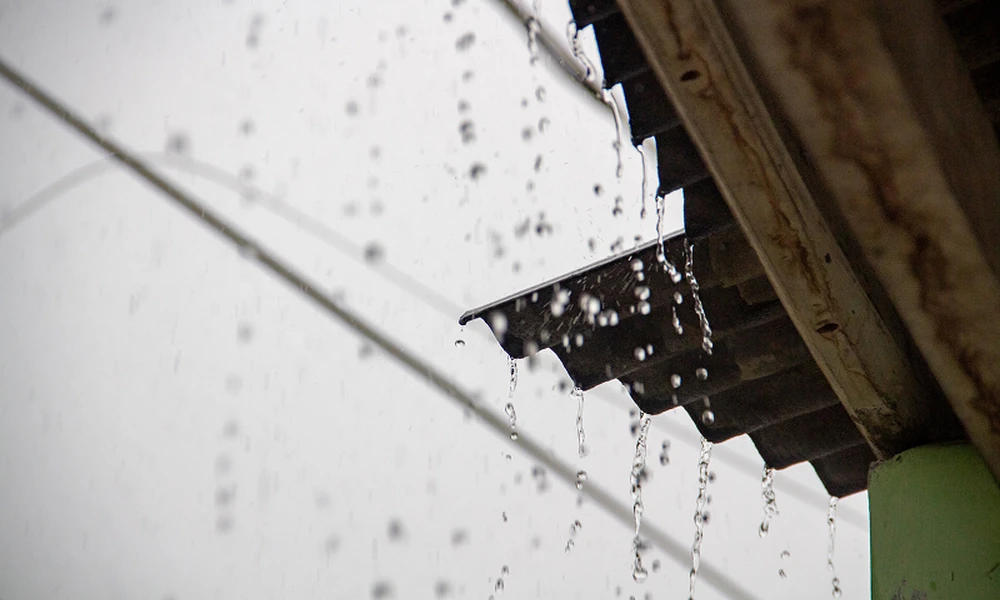
Intense rainfall places significant pressure on every part of a roofing system. Water naturally searches for the easiest route through cracks, loose joints, worn sealants, or damaged flashing. Areas that appear sound during dry weather may begin leaking once they are exposed to prolonged rain.
Even a tiny opening can allow moisture to enter the structure over time. Water often travels beneath roofing materials before reaching the ceiling, making the source difficult to identify without a professional inspection. As moisture spreads, it may affect insulation, concrete, timber, and interior finishes.
Although some property owners try to manage sudden water entry with temporary buckets, arranging a professional ceiling leakage repair as quickly as possible remains the only reliable way to limit the widespread impact of moisture on structural beams. Furthermore, identifying how rain entered the building remains equally important because resolving both the leak and its source helps prevent repeated problems whenever heavy showers return.
Constant Sun Exposure Accelerates Roof Deterioration
While rainfall often receives the most attention, prolonged exposure to sunlight also affects roofing performance. High temperatures cause roofing materials to expand throughout the day before contracting as temperatures fall. Continuous expansion and contraction gradually weaken protective layers and create small cracks.
Ultraviolet rays can also reduce the flexibility of waterproof membranes and sealants. As these materials age, they become more susceptible to splitting or losing adhesion. Once protective barriers begin to fail, rainwater gains easier access to vulnerable sections of the roof.
Instead of waiting for visible structural damage to manifest, consulting an experienced waterproofing company in Singapore allows property owners to thoroughly assess ageing roofing materials and implement suitable protective barriers well before the next monsoon season arrives.
Moisture Can Create Problems Beyond the Roof
Water entering through the roof rarely remains confined to one location. Moisture can travel through ceilings, walls, and structural elements before becoming visible inside the property. Damp conditions encourage mould growth, damage decorative finishes, and may even affect electrical installations if left unresolved.
Stained surfaces often indicate that moisture has been silently accumulating within the roof cavity for quite some time. While it might be tempting to ignore minor discolouration, delaying a vital ceiling leakage repair allows moisture to continue spreading, which ultimately increases restoration costs and extends the overall project timeline. Early intervention remains the most effective way to minimise disruption while protecting the building’s interior.
Regular inspections also make it easier to detect early signs of moisture before they develop into larger structural concerns. Preventive maintenance remains one of the most effective ways to reduce long-term repair expenses.
Preventive Waterproofing Reduces Future Leaks
Weather cannot be controlled, but its impact on a roof can be managed through proactive maintenance. Waterproofing systems provide an additional layer of defence by reducing water penetration into vulnerable roofing areas. Protective coatings and membranes help roofs withstand repeated exposure to rain while slowing natural wear.
Routine inspections allow minor defects to be repaired before they develop into significant leaks. Loose flashing, deteriorated sealants, blocked drainage systems, and damaged roof surfaces can all be addressed during scheduled maintenance rather than emergency repairs.
Building a long-term partnership with a reputable waterproofing company in Singapore supports a preventive approach that protects both residential and commercial properties. Combining regular inspections with professional waterproofing and timely repairs helps maintain a stronger, more reliable roof throughout the year.
Conclusion
Changing weather conditions place constant stress on every roofing system, making gradual deterioration unavoidable without proper maintenance. Heavy rain, strong sunlight, and ageing materials all contribute to roof leaks that may eventually affect the interior of a property. Investing in preventive waterproofing and prompt repairs helps reduce long-term costs while keeping your home or building well protected.
Contact us at General Waterproofing & Service to arrange a professional inspection and reliable waterproofing solutions that help safeguard your property in every season.