

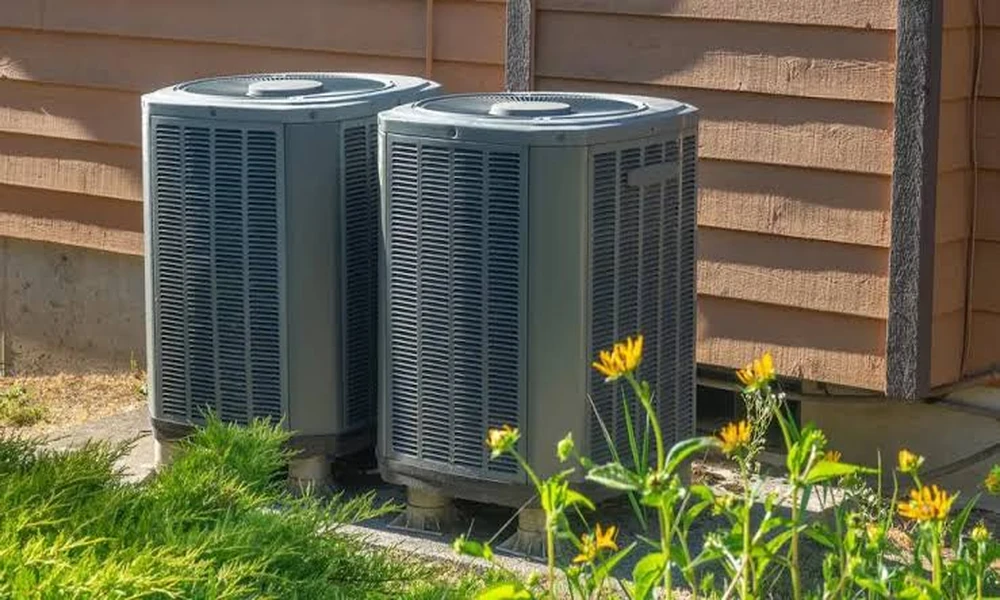
Las Vegas heat has a way of making an ordinary afternoon feel relentless. When the temperature climbs and your current system starts struggling, an upgrade can stop being a nice-to-have and become a practical necessity. Choosing the right setup is not just about staying cool; it is about comfort, energy use, long-term reliability, and making sure your home is ready for the demands of desert living. For homeowners comparing options, ac installation for Vegas homes is often the starting point for understanding what a proper replacement or new install should look like.
Why an HVAC upgrade matters more in Vegas
In a climate like Las Vegas, an air conditioning system works harder and longer than it would in many other parts of the country. That added strain can expose weak points quickly. A unit that seemed fine a few years ago may now struggle to keep up on peak summer days, cycle too often, or drive up utility bills without delivering better comfort.
An upgrade is not only about replacing old equipment. It is also an opportunity to improve how your home handles cooling overall. Better sizing, updated technology, and improved efficiency can all make a noticeable difference. The goal is to create a system that cools evenly, maintains a steadier indoor temperature, and does not force you to choose between comfort and cost.
Signs it may be time to replace your system
Not every cooling issue means a full replacement is necessary, but there are clear signs that a new system may be the smarter choice. If your unit is aging, requiring frequent repairs, or no longer keeping your home consistently comfortable, the cost of continuing to patch it up may outweigh the value of holding on to it.
Uneven temperatures are another red flag. If some rooms feel much warmer than others, the issue may be tied to system performance, ductwork, or improper sizing. Rising energy bills can also indicate that your AC is working harder than it should. When a system loses efficiency, it often uses more energy just to maintain the same level of comfort.
Strange noises, weak airflow, short cycling, and moisture problems around the unit can also suggest deeper mechanical issues. A professional evaluation can help determine whether repair is still the right path or whether replacement would provide better long-term value.
Choosing the right system for your home
A successful HVAC upgrade starts with proper system selection. Bigger is not always better. In fact, an oversized system can cool the air too quickly without properly removing humidity, while an undersized one may run constantly and still fail to keep the home comfortable. Proper sizing should be based on the home’s square footage, insulation, window exposure, layout, and overall cooling load.
Efficiency also matters. Modern systems are designed to use less energy while delivering better performance. A higher-efficiency unit may cost more upfront, but it can reduce monthly utility bills and improve comfort over time. For many homeowners, that balance is worth serious consideration, especially in a climate where the AC is not a seasonal luxury but a central part of daily life.
It is also worth thinking about features that support control and consistency. Variable-speed systems, smart thermostats, and zoning options can help fine-tune comfort throughout the home. These upgrades can make cooling feel more even and reduce the constant on-and-off cycling that wears systems down.
Installation quality makes a major difference
Even the best equipment will underperform if it is not installed correctly. Installation affects airflow, efficiency, system lifespan, and day-to-day reliability. This is why the contractor you choose matters as much as the system itself.
A proper installation should begin with a detailed assessment of your home and your current setup. That includes checking ductwork, electrical connections, refrigerant lines, drainage, and airflow requirements. If these pieces are not handled carefully, the system may never operate the way it should.
Good installation also means attention to the small details that homeowners rarely see but always feel. Correct refrigerant charge, secure connections, sealed ductwork, and balanced airflow all influence how well your home cools. A rushed install can create problems that do not appear immediately but become obvious once the weather turns extreme.
Thinking beyond the unit itself
An HVAC upgrade is a good time to look at the rest of the cooling picture. Ductwork, insulation, windows, and attic conditions all play a role in how hard your system has to work. If your home loses cooled air through leaks or poor insulation, even a new unit may struggle to keep up efficiently.
Thermostat placement matters too. A thermostat exposed to direct sunlight or placed near a heat source can give false readings and cause the system to run longer than necessary. Likewise, regular filter changes and routine maintenance help preserve performance after installation is complete.
Homeowners often focus on the visible equipment, but comfort is usually shaped by the entire system working together. Addressing hidden inefficiencies can make a new installation more effective and more worthwhile.
Balancing upfront cost and long-term value
Replacing or upgrading an HVAC system is a significant investment, so it is natural to think carefully about cost. The lowest price is not always the best value. A cheaper installation may leave you with higher operating costs, more repairs, or a system that does not fit your home well.
It helps to compare the full picture: equipment quality, warranty coverage, installation standards, expected energy savings, and maintenance needs. A well-chosen system should not only solve today’s cooling problem but also reduce the chance of future headaches. In a place where AC is essential for a large part of the year, reliability has real value.
Financing options, rebates, or energy incentives may also affect the decision. While those details vary, they can sometimes make a higher-quality system more accessible. The key is to evaluate the upgrade as a long-term improvement rather than a one-time purchase.
A smarter path to lasting comfort
An HVAC upgrade is one of the most important investments a homeowner can make in a desert climate. Done well, it improves comfort, reduces stress on the system, and supports better energy use over time. The best results come from a combination of the right equipment, accurate sizing, and careful installation.
Before moving forward, take time to understand your home’s needs and the condition of your current system. A thoughtful approach now can lead to fewer surprises later and a much cooler, more comfortable home when Las Vegas temperatures are at their highest.
Conclusion
A well-planned HVAC upgrade goes beyond replacing an aging air conditioner-it is an investment in year-round comfort, energy efficiency, and the long-term value of your home. By selecting the right HVAC system, ensuring accurate sizing, and working with experienced installation professionals, homeowners can enjoy improved cooling performance, reduced energy consumption, and fewer costly repairs in the future.
Taking the time to evaluate your home’s cooling needs, compare modern energy-efficient options, and maintain your new system regularly will help maximize its lifespan and performance. Whether you’re replacing an outdated unit or installing a new cooling system, making informed decisions today will lead to a more comfortable, reliable, and cost-effective home for years to come.