

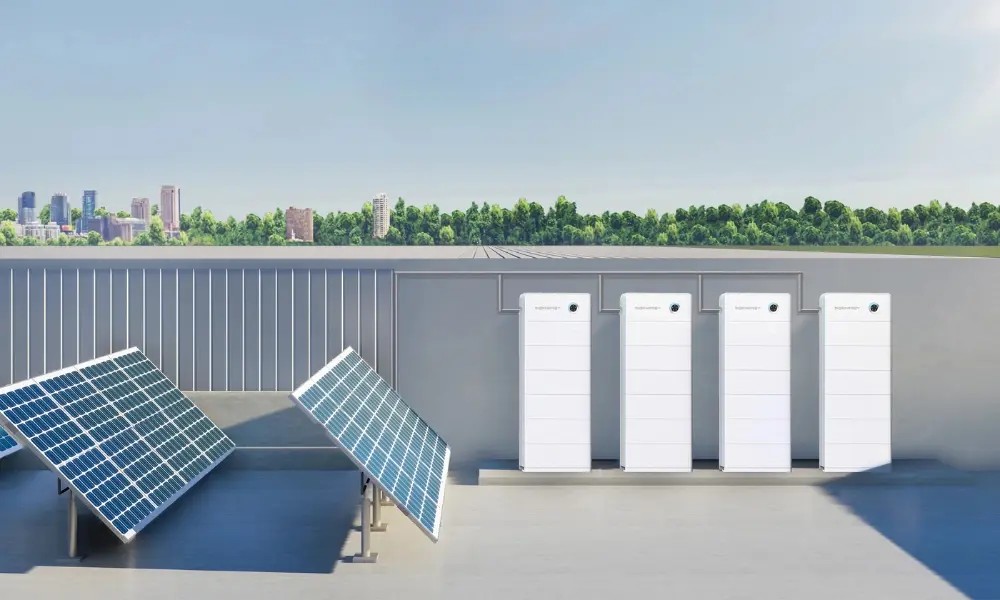
Battery energy storage systems have moved from niche technology to essential infrastructure as utilities and developers chase reliable renewable power. Solar farms generate electricity only when the sun shines, but pairing them with storage smooths out supply, supports the grid during peak demand, and captures excess energy that would otherwise be wasted. The shift demands more than just panels and inverters. It requires seamless coordination across engineering, construction, and commissioning-work that falls squarely to experienced teams who treat the entire project as one integrated system.
Understanding the Role of a BESS EPC Contractor
A BESS EPC contractor handles the full scope of a storage project from initial design through final handover. That means engineering the electrical layout, procuring the right battery modules and inverters, managing civil work for foundations and trenching, and performing the high-voltage tie-ins that connect storage to the larger grid. Unlike fragmented approaches that hand off pieces to multiple subcontractors, a single-source BESS EPC contractor keeps accountability in one place. This reduces miscommunication, shortens timelines, and avoids the costly surprises that often surface when separate crews interpret drawings differently.
Knobelsdorff Enterprises brings decades of substation and power-delivery experience to these projects. The company’s in-house teams self-perform mechanical, electrical, civil construction, and commissioning without relying on outside labor for core scopes. Their approach integrates automation and controls expertise, ensuring the battery system communicates cleanly with plant-level SCADA and protection systems. For developers, the result is a grid-ready installation that meets strict compliance standards while staying on schedule.
A Real-World Example: Solar Plus Storage in Marshall, Minnesota
One project that illustrates the value of this integrated model took place in Marshall, Minnesota. Knobelsdorff Enterprises delivered a utility-scale solar array paired with an AC-coupled BESS for US Solar. The team handled everything from pile driving and underground work to racking installation, module placement, and full BESS commissioning alongside Eneon equipment. Working across their Energy and Power divisions, they completed the entire build in roughly six months using 100 percent in-house labor.
The project didn’t just meet technical specs. It demonstrated how early collaboration between electrical engineers and construction crews prevents last-minute rework. By the time commissioning wrapped, the system was producing clean energy and storing it efficiently, giving the owner immediate operational confidence. Repeat business followed, a quiet sign that the execution earned trust beyond the initial contract.
Why Self-Performed Work Delivers Better Outcomes
When a BESS EPC contractor self-performs the heavy lifting, several advantages emerge. Schedules stay predictable because the same crews that engineered the system also built it. Safety protocols remain consistent across every trade, reflecting the company’s long-standing emphasis on sending every worker home safely every day. Quality control tightens, too; issues spotted during civil work can be addressed before electrical installation begins rather than after.
Knobelsdorff Enterprises applies more than 35 years of industrial electrical know-how to these renewable installations. Their Power Services division already maintains high-voltage infrastructure across multiple states, so the step into battery storage feels like a natural extension. Clients benefit from a single point of contact who understands both the nuances of lithium-ion chemistry and the realities of substation tie-ins. That depth matters when utilities demand fast response during energization or when future expansion requires seamless integration.
Looking Ahead to a More Resilient Grid
As more states set ambitious clean-energy targets, the pressure to deliver dependable storage will only grow. Developers who partner with a capable BESS EPC contractor position themselves to move faster, control costs, and avoid the integration headaches that slow other projects. The combination of solar generation and battery storage is no longer optional; it is the practical path to reliable renewable power.
Knobelsdorff Enterprises continues to refine its approach on every new site, drawing on real project data to improve layouts, streamline procurement, and strengthen commissioning checklists. Their track record-more than 200 MW of community solar gardens and a consistent presence on utility-scale work-shows that thoughtful execution still matters even as technology advances. For owners and operators, choosing the right partner early can mean the difference between a project that simply checks regulatory boxes and one that actually strengthens the grid for years to come.