

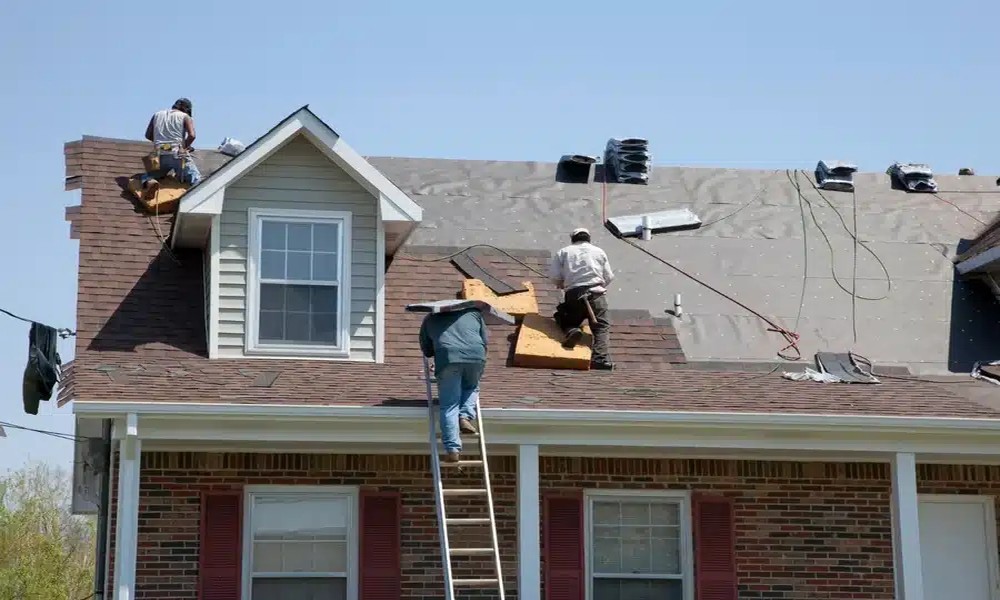
Roofing, at its core, follows physical laws, material behavior, and environmental timing. When those elements align, disruption stays brief and controlled. When ignored, small issues ripple outward. The sound arrives first. A low thud here, then a sharper crack there. A roof replacement project announces itself slowly but steadily, and if you wait too long, the bill gets higher. Doing it without a plan just breeds a ground of inconveniences in daily life. So why do you need a plan?
A well-planned project keeps routines intact, protects the structure below, and shortens the loud part of the story. Preparation is the quiet force that keeps the process efficient and the household steady. Getting organized now sets everything else on a smoother path. And here is how you do that.
Timing And Materials Follow Hard Science
Every roof installation or replacement project depends on chemistry and temperature. Asphalt shingles rely on heat-activated sealant strips that bond most reliably between 45°F and 85°F, according to manufacturer specifications and field testing. Outside that range, adhesion slows or becomes inconsistent, increasing the chance of blow-offs later.
In most places, late spring and early fall offer stable conditions that support faster installation. For a standard 2,000-square-foot roof, professional crews typically complete tear-off and replacement in three to five days under ideal weather conditions. That predictability helps you plan work-from-home schedules, school pickups, and short trips.
Prepare The Home Like A Controlled Setup
Roof replacement can send vibrations through the framing, drywall, and attic spaces. And so, before work begins, securing wall art and removing fragile attic items reduces the risk of accidental damage. Outside, trimming branches back at least 10 feet protects siding and allows safe ladder placement. Vehicles should park well clear of the structure, since falling debris is a hazard. Handling these steps early shrinks that high-risk window. With the physical environment stabilized, attention turns to managing daily life around the work.
Quick Prep Checklist Before Day One
Wondering what to do? Consider this a starter checklist.
- Secure wall décor and shelves
- Clear attic walkways and storage
- Move vehicles beyond debris range
- Trim nearby tree limbs
- Identify quiet indoor rooms
Once preparation is complete, communication becomes the final buffer against disruption.
Communication Keeps Stress From Spreading
Before any nail comes off, do your neighbors a courtesy and let them know, especially for those with kids, elders, pets, or people with special needs. Let them know of the daily start times, noise-heavy phases, and cleanup routines. When they know when tear-off or material drops will happen, it helps them (and you) plan calls, naps, or errands.
Now, if you yourself have pets in-house, they deserve special consideration. Temporary boarding or setting up a sound-dampened room reduces agitation. Neighbors benefit from notice as well.
At The End Of The Day
Roofing will always be noisy, but it does not need to feel chaotic. With planning, preparation, and clear communication, working together, disruption stays short-lived, and the finished roof speaks for itself.