

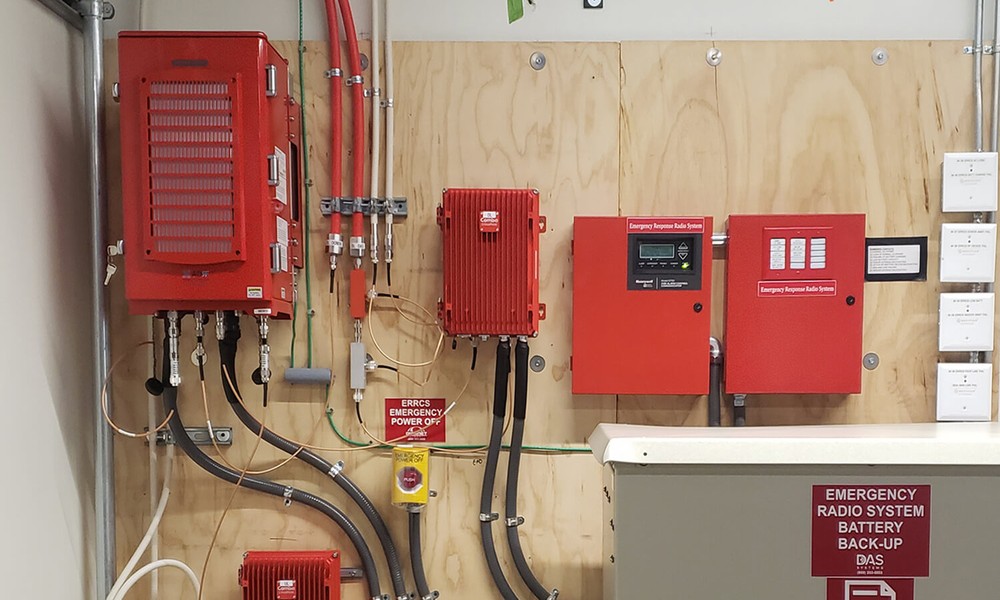
Reliable communication is crucial in today’s world, especially in large buildings, offices, and complexes. This is where a BDA Fire Alarm System plays a critical role and companies in Utah turn to https://firecontrolutah.com. These systems, also known as Bi-Directional Amplifiers (BDA), improve radio frequency (RF) signals so that emergency responders can communicate clearly and quickly across the building. Installing a BDA system is not just about putting equipment in place—it requires careful planning, proper execution, and following local rules and regulations. In this article, we will guide you through key tips for a successful BDA system installation in New Jersey, highlighting best practices and important things to consider.
Understanding BDA System Requirements
Before starting a BDA system installation, it’s important to understand what the system needs to do. A BDA system boosts RF signals from outside networks to make sure there is strong coverage in all areas of a building. Requirements for a BDA system can vary depending on the building’s size, design, construction materials, and local fire codes.
Start with a complete site survey to check current RF signal levels and identify areas with poor coverage. This survey helps determine where antennas and amplifiers should be placed to ensure proper signal coverage everywhere.
It’s also important to involve key people during this stage, such as building owners, architects, fire safety officials, and system integrators. Working together ensures everyone is on the same page and that the installation will meet both operational and legal requirements. Documenting all requirements clearly will guide the project and prevent misunderstandings later.
Planning the Installation
Good planning is the foundation of a successful BDA system installation. Create a detailed installation plan that outlines timelines, tasks, and responsibilities. Use the site survey as a guide to decide antenna placement, amplifier locations, and cable paths.
When planning, consider the building layout, how RF signals move inside the building, and anything that could interfere with signal transmission. Work with stakeholders to handle logistics like access to restricted areas, power needs, and environmental conditions that may affect the installation.
Allocate enough resources for equipment, labor, and any special tools or materials required. Careful planning helps avoid delays, keeps the project on schedule, and reduces the chances of problems during installation.
Choosing the Right Equipment
Choosing the right equipment is critical for the BDA system to work properly and reliably. First, determine the RF signal strength you need and the frequency bands used by local emergency services. Always select equipment from trusted manufacturers that meet industry standards and New Jersey regulations.
Think about future needs as well. A modular system that allows adding extra antennas or amplifiers later is a smart choice. Make sure all components are compatible to avoid signal loss. Equipment with diagnostic tools or remote monitoring features is helpful for maintaining the system and troubleshooting problems after installation.
Investing in quality equipment ensures your BDA system works well for a long time and supports reliable communication for emergency personnel.
Installation Process
The installation itself involves several key steps. First, prepare the site, secure permits, and coordinate with building management for access and safety measures. Follow the manufacturer’s instructions and industry best practices when mounting antennas, installing amplifiers, and running coaxial cables.
Check the installation carefully at every stage. Make sure all cable connections are secure, grounding is correct to prevent interference, and equipment is installed safely. Keep detailed records, including system settings, equipment serial numbers, and as-built drawings. Regular inspections during installation help catch issues early and ensure the system meets regulatory and manufacturer standards.
Compliance and Documentation
Following regulations is essential when installing a BDA system. Ensure all equipment and installation practices comply with local fire codes, building regulations, and industry standards. Proper documentation is equally important. Record every detail about the system, from equipment specifications to installation layouts, test results, and maintenance schedules.
This documentation provides proof that the system meets safety requirements and makes it easier to troubleshoot or expand the system in the future. Clear records also support smooth communication with local authorities or fire officials if needed.
Maintenance and Monitoring
After installation, maintaining and monitoring the system is key to keeping it reliable. Set up a regular maintenance schedule to check antennas, amplifiers, and cables for damage, corrosion, or wear. Clean antennas as needed to maintain strong signal transmission.
Use diagnostic tools or remote monitoring features to regularly check RF signal strength and overall system performance. Establish baseline metrics and test the system periodically to make sure it still meets coverage requirements. Document all maintenance actions and any issues that are fixed.
Early detection and repair of problems prevent communication failures during emergencies, helping keep the building safe for occupants and emergency responders.
Quality Assurance and Testing
Testing is essential to confirm that the BDA system works correctly. Develop a testing plan that covers before, during, and after installation. Measure RF signal strength and coverage in all areas of the building to ensure the system meets expected standards.
Record all test procedures and results, comparing them with regulatory requirements. If the system does not perform as expected, adjust antenna placement, amplifier settings, or cable paths.
Using third-party testing services or certification agencies can provide independent validation. Obtain compliance certificates to confirm that the system follows regulations and performs reliably for emergency communications.
Training and Knowledge Transfer
Even the best BDA system won’t work effectively if building staff don’t know how to operate it. Provide training for maintenance personnel, security staff, and building managers on system operation, emergency procedures, and routine maintenance tasks.
Encourage staff to work closely with system integrators during training. Provide manuals, technical guides, and support contacts for future reference. Hold refresher sessions regularly to reinforce knowledge and update staff on any changes to the system.
Document troubleshooting steps, maintenance schedules, and support contacts so building staff can address issues quickly. Proper training ensures the system remains effective and ready when emergencies occur.
Conclusion
Installing a BDA Fire Alarm System requires careful planning, proper execution, and compliance with regulations to guarantee reliable communication for emergency responders. By conducting thorough site surveys, selecting quality equipment, testing rigorously, and training staff, building owners and installers can ensure the system works efficiently. Regular maintenance and monitoring will keep the system operational for years, providing critical support for public safety in large buildings and complexes.