

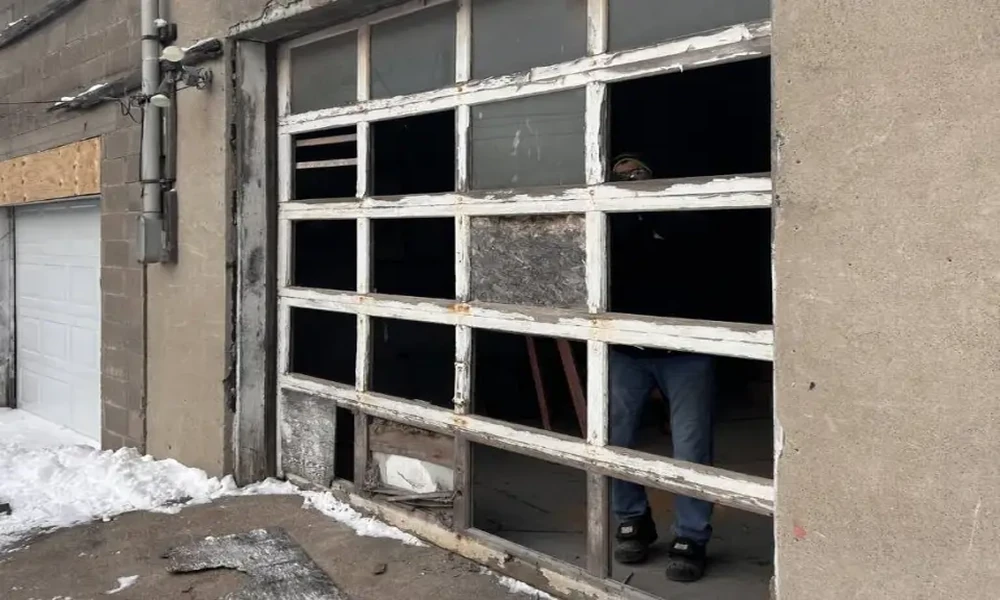
A garage door that won’t open, jams halfway, or suddenly crashes shut is not just an inconvenience; it is a potential hazard waiting to happen. Most homeowners do not realize how urgent garage door issues are until something goes wrong, leaving property, safety, and peace of mind at risk.
Why a Broken Garage Door Demands Immediate Attention
When your garage door starts acting up, it’s rarely just a cosmetic issue. Malfunctions can quickly spiral into serious problems, from personal injuries to major security breaches.
The Safety Risks of a Damaged Garage Door
A faulty garage door is much heavier than it looks, with springs and cables under enormous tension. If a door suddenly closes or fails to stop when it should, anyone in the path can experience severe injuries, including broken bones. Children and pets are especially vulnerable.
Security Vulnerabilities: Inviting Intruders
A garage door that does not close fully or latches poorly is an open invitation for intruders. It takes only one weak point to compromise the safety of your entire home, making it crucial to address vulnerabilities as soon as they appear.
Threats to Your Vehicle and Property
Not every threat is about security. A malfunctioning garage door can fall unexpectedly, damaging your car or other valuable items stored inside. The resulting repair bills, sometimes for both door and vehicle, quickly add up.
Potential for Serious Personal Injuries
Statistics show most residential garage door injuries occur due to DIY repairs or ignored warning signs. The safest approach is to call a professional before an unpredictable movement results in harm.
Common Causes of Garage Door Malfunctions
Understanding what typically fails can help you spot early warning signs before they become urgent emergencies.
Broken Springs and Their Danger
Springs do the heavy lifting for your garage door. When they snap, the door may drop suddenly or become impossible to raise. Replacing springs is never a DIY project, the risk of injury is high.
Worn Hinges and Hardware Failures
Over time, hinges and rollers wear out, causing grinding noises and jerky movement. If ignored, the entire system can bind or come off its tracks.
Cable Breaks and Support Issues
Cables support the door’s weight as it moves. A snapped cable often leads to a crooked, jammed, or partially collapsed door, each scenario demanding urgent repair.
Opener Malfunctions and Electrical Problems
If your remote no longer works or the motor grinds but the door doesn’t move, electrical issues may be involved. Sometimes these are as simple as a dead battery, but often they signal a deeper problem that warrants an expert’s attention.
Assessing the Severity: Repair or Replace?
The next question isn’t just “What’s wrong?” but “How bad is it?” Knowing when a fix is possible or when replacement is smarter can save time, money, and stress.
Evaluating Operational Functionality
Does your garage door open and close occasionally, or is it stuck for good? A door that’s intermittently functional may just need a repair. A totally unresponsive door often means a larger underlying problem.
Signs of Wear and Tear to Watch For
Rust spots on metal panels, peeling paint on wood, and cracks that keep spreading are red flags. Localized cosmetic damage can often be repaired, but widespread deterioration usually means it’s time for a new door.
Identifying Structural Damage vs. Cosmetic Issues
After storms or accidents, assess whether the frame is bent or panels are broken. Structural damage often requires replacement, while surface dents may be fixable.
Cost Considerations: Repair vs. Full Replacement
Always weigh the cost of repeated repairs against that of a new installation. If repairs approach half the price of replacement, updating the entire system is typically the better investment.
Immediate Actions to Take When You Detect Problems
The moment you spot trouble, your priority should be keeping yourself and your property safe.
Safety Precautions Before Professional Help Arrives
If cables are hanging loose, springs look stretched, or the door is crooked, stop using it immediately. Keep children and pets away and never try to force the door open or closed.
Troubleshooting Minor Issues Safely
You can check for obvious obstructions in the tracks or test the batteries in your opener, but do not attempt repairs involving tensioned parts or electrical circuits.
When to Stop Using the Garage Door Completely
If the door jerks, drops suddenly, or makes alarming noises, discontinue use. Waiting can lead to accidents or greater damage.
Choosing Professional Garage Door Services
Timely intervention by a qualified technician is the difference between a quick fix and a costly disaster.
Why Timely Professional Intervention Matters
Garage doors may look deceptively simple, but their mechanics are complicated and dangerous if mishandled. Professionals have the tools and expertise to make accurate, safe repairs the first time.
What to Expect from a Qualified Garage Door Specialist
A good specialist will assess all moving parts, recommend the best course of action, and provide an honest estimate. Look for companies with a proven track record and positive customer reviews.
Questions to Ask Before Hiring a Technician
Are they licensed and insured? Do they offer a warranty on repairs? How quickly can they respond in an emergency? These are non-negotiable considerations for your safety and peace of mind.
Preventive Maintenance to Avoid Emergency Repairs
Many garage door emergencies are preventable with a little foresight.
Regular Inspection Tips for Homeowners
Listen for unusual noises, observe how smoothly the door moves, and look for rust or frayed cables. Early detection can be the difference between a simple repair and a full-blown replacement.
Simple DIY Maintenance Tasks
Lubricate rollers and hinges, keep the tracks clean, and test the auto-reverse safety feature monthly. These quick steps extend the life of your door.
Scheduling Professional Maintenance Checks
An annual check-up by a technician will catch issues before they escalate, keeping your family and property safe.
Making Your Garage Door Safe and Reliable Again
Whether you choose repair or replacement, restoring full function is non-negotiable for the safety and security of your home.
Repair Solutions That Restore Functionality
Simple component swaps, like replacing springs, cables, or panels, are often enough to get your door working like new.
When and How to Opt for Replacement
If your door is decades old, badly damaged, or repeatedly failing, a modern replacement brings improved safety, technology, and curb appeal.
Enhancements to Improve Security and Durability
Consider smart openers, reinforced locks, and weather-resistant materials for extra peace of mind and long-term performance.
Final Steps: Ensuring Long-Term Peace of Mind
Once your garage door is in top shape, keep it that way for good.
Confirming Repair Quality and Warranty
Always ask for a written warranty and test all functions before the technician leaves.
Setting Up Emergency Contact and Service Plans
Have a trusted service provider’s number saved for urgent situations, don’t wait until disaster strikes.
Keeping Your Garage Door in Top Shape Year-Round
A small time investment in maintenance can save you from emergencies and expensive repairs in the future. For even more guidance or if you suspect you may need urgent repairs, resources like this broken garage door guide can help you make informed decisions and connect with professional help fast.