

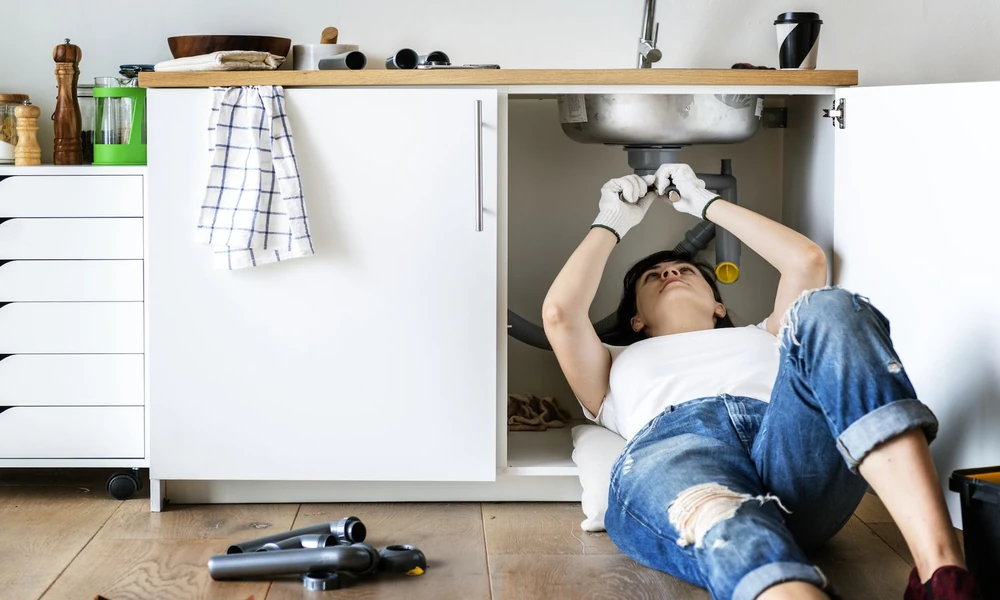
Why Small Repairs Often Get Delayed
Small home repairs are easy to overlook because they may not immediately interfere with everyday life. A loose handle, sticking door, damaged wall surface, worn timber trim, or faulty fixture can remain on a household to-do list for weeks or months. However, several minor issues can eventually make a property feel poorly maintained. Setting aside time to review these tasks provides an opportunity to deal with them before they become more inconvenient.
When several small jobs have accumulated, arranging Polytechnitis Handy man Services can provide a practical way to organise suitable maintenance tasks together. Instead of dealing with each issue separately, homeowners can prepare a complete list and identify repairs that can potentially be handled during one maintenance visit. This can make the process easier to coordinate while ensuring that smaller concerns receive appropriate attention.
Making a Complete Household Repair List
The first step is to walk through the property and record every repair or maintenance task that needs attention. This may include problems with doors, locks, handles, shelves, walls, paint, plaster, timber, cabinets, fixtures, fences, gates, and outdoor areas.
Writing everything down prevents minor jobs from being forgotten. It also provides a clearer picture of the overall condition of the property. Homeowners can note where each problem is located, what appears to be wrong, and whether the issue affects daily use.
Grouping Similar Maintenance Tasks
Once the complete list has been created, similar jobs can be grouped together. For example, several wall repairs and painting touch-ups can form one category, while door adjustments, handle replacements, and hinge repairs can form another.
Grouping tasks according to their type and location can make maintenance visits more efficient. Jobs in the same room or outdoor area may also be addressed together. This approach helps homeowners present a clear list of requirements and makes it easier to determine which tasks are suitable for the same visit.
Prioritising Safety and Functionality
Not every repair has the same level of importance. Tasks that affect safety or the basic functionality of the home should generally receive attention before cosmetic improvements. A loose handrail, damaged step, faulty door lock, or unstable fixture may require earlier action than a small paint mark.
After safety-related concerns have been identified, homeowners can prioritise repairs that affect everyday convenience. Problems with doors, cabinets, windows, or frequently used fixtures can make normal household activities more difficult and may therefore deserve earlier attention.
Preparing the Property Before Repairs Begin
Good preparation can help a maintenance visit run more smoothly. Homeowners can clear furniture and belongings away from repair areas, identify access points, and ensure that the person carrying out the work can reach the relevant fixtures and surfaces.
It is also useful to have replacement hardware or other required materials available when they have already been identified. Where materials need to be assessed first, homeowners can discuss the requirements before work begins so expectations are clear.
Reviewing Completed Work and Future Maintenance Needs
After the repairs have been completed, homeowners can review the original list and confirm that each task has been addressed. Checking repaired areas can also highlight whether any additional maintenance is required.
A completed repair list can then become the starting point for future property upkeep. Recording recurring issues, seasonal maintenance requirements, and areas that may need attention later can help reduce the number of neglected tasks. Regular reviews make it easier to stay ahead of minor repairs and keep the property functional, safe, and well maintained.